"La Armada ya plantea una flota de seis submarinos S80 en Cartagena": https://www.infodefensa.com/texto-diario/mostrar/4898722/armada-plantea-flota-seis-submarinos-s80-cartagena
C
champi
@champi
Mensajes
-
S-80 Plus -
Eurofighter EFA EF-2000 TyphoonParece que en el ILA de este año Alemania dará el paso definitivo para integrar el Taurus en el Eurofighter, además del Brimstone 3: https://x.com/MBDADeutschland/status/1797266494566416698
-
Eurofighter EFA EF-2000 TyphoonActualización de noticias del mes de abril, primera quincena.
-
"Los Eurofighter del Ala 14 del Ejército del Aire estarán en el Gran Premio de Fórmula 1 de Madrid en septiembre": https://www.infodefensa.com/texto-diario/mostrar/5833441/eurofighter-ala-14-ejercito-aire-estaran-gran-premio-formula-1-madrid-septiembre
-
Habrá un Eurofighter en el Festival Aéreo Internacional San Javier a principios de mayo: https://x.com/EuroAirshow/status/2041855001748807955
-
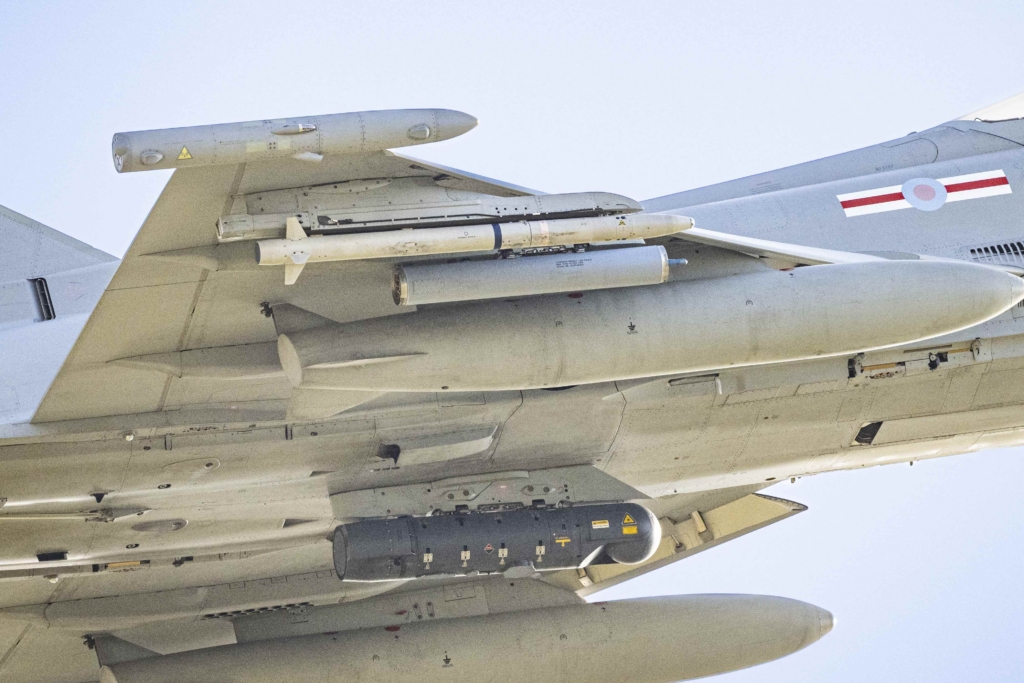
BAE Systems potencia al Eurofighter Typhoon con el sistema de armas de precisión APKWS: https://www.hispaviacion.es/bae-systems-potencia-al-eurofighter-typhoon-con-el-sistema-de-armas-de-precision-apkws/

Foto: BEA Systems
BAE Systems ha realizado con éxito un disparo de prueba del APKWS en Eurofighter Typhoon, marcando un hito en la búsqueda de soluciones de armamento de bajo coste y alta precisión.
...
Se espera que la próxima fase de pruebas incluya enfrentamientos contra objetivos aéreos, consolidando el uso de este armamento en misiones de defensa aérea. El APKWS ya ha sido desplegado operativamente en plataformas como el F-16 y el A-10, así como en helicópteros, ofreciendo una alternativa de menor coste frente a los misiles guiados tradicionales.-
Otro artículo al respecto con un poco más de información: https://aerospaceglobalnews.com/news/eurofighter-typhoon-apkws-low-cost-drone-defence/
-
Y un vídeo: https://x.com/Gabriel64869839/status/2042341017328799837
-
Más sobre el derribo de drones por parte de los británicos sobre Oriente Medio: https://www.jpost.com/middle-east/iran-news/article-892150
"UK Typhoons and F-35 jets, supported by Voyager and Royal Navy Merlin and Wildcat helicopters, have continued their defensive missions over the Eastern Mediteranean, Jordan, Bahrain, and the UAE," the post read.
Four RAF pilots have achieved the "ace" status due to the mission, the ministry added in a separate statement, having "aving blasted Iranian drones out of the sky during operations in the Middle East, protecting British interests, partners, and personnel in the region."
-
Sobre las configuraciones que se están volando en este escenario: https://www.armyrecognition.com/news/aerospace-news/2026/uk-typhoon-fgr4-fighter-jet-shows-heavy-air-defence-loadout-in-middle-east-air-operations
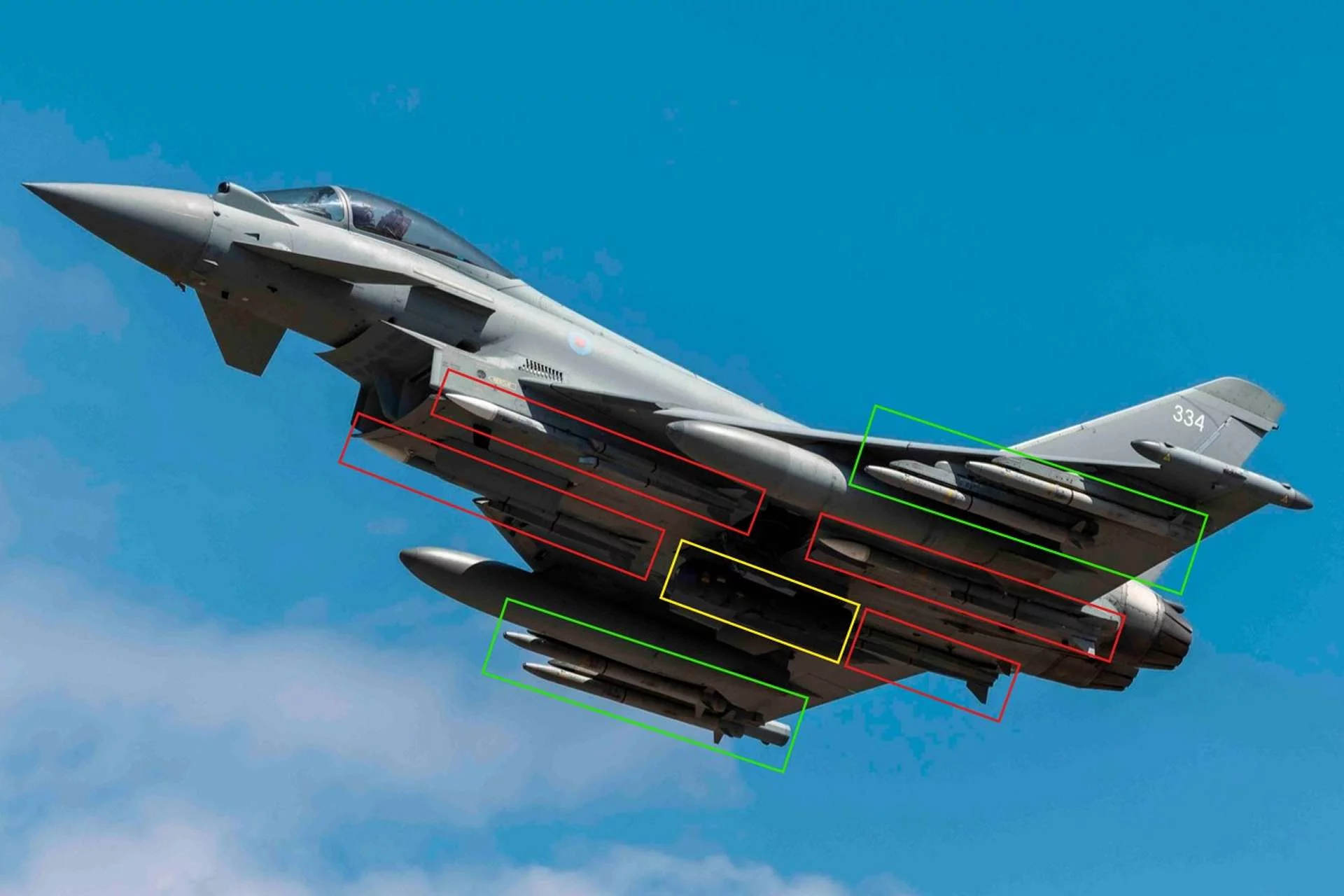
A newly released UK Ministry of Defence image shows an RAF Typhoon FGR4 armed with Meteor and ASRAAM missiles, highlighting Britain’s layered air combat posture in the Middle East (Picture Source: UK MoD) -
CAE entrega su generador de imágenes Prodigy para Austria, mejorando su capacidad de simulación: https://www.afm.aero/cae-prodigy-achieves-military-milestone-with-deployment-on-german-and-austrian-armed-forces-simulators
-
Tras seis meses y unas 650h de vuelo, termina el despliegue de Eurofighter alemanes en Rumanía: https://www.pressreader.com/romania/nine-o-clock-daily-9jgg/20260406/281565182315174
-
Alemania prueba el despliegue rápido de cinco Eurofighter en el aeropuerto civil de Lübeck:
- Una curiosidad sobre los EJ200 y cómo se soldan los blisk ("bladed disk" o "integrally bladed rotor"): https://x.com/Jordan_W_Taylor/status/2042866998766399553
On early engines, something called ‘fretting corrosion’, between tight-fitting parts in the EJ200 compressor, was cutting component life down to a mere 400 hours, rather than the 4,000 they’d been designed for. This occurred due to wear between the tight-fitting compressor blades and disc subject to colossal cyclic stresses, and needed to be eliminated somehow.
The solution was to change how they were made: Rolls-Royce elected to replace the conventional compressor disc (with retaining slots for the blades) with a single-piece, fully machined bladed disc, called a ‘blisk’. The rationale was simple: You can’t get wear between tight-fitting parts if there is only one part! To achieve this, Rolls-Royce needed to pursue a new and very unusual type of welding.
Simply put, it needed to use friction, -ridiculous friction!- to join the jewel-like blades to the machined disc. Think of it like rubbing your hands together to keep warm on a cold winter’s day, but taken to absurd extremes, ending with your hands becoming merged together. Uncomfortable body horror, but impressive.
Friction welds were already performed on the shafts that run up the middle of jet engines, to join multiple pieces by spinning them up and forcing them together until frictional heating, and ludicrous pressure, bonded shafts together. The advantages of this are significant: Friction welding creates minimum heat affected zones (HAZ), extremely low porosity and high quality welds with favourable microstructure that’s well-suited to highly-loaded assemblies like jet engines. It also works well with dissimilar metals, and can be done very, very quickly, with low-ish energy costs.
In linear friction welding, a specialized fixture holds a part such as a compressor blade and applies it to the workpiece with many tens of tons of compressive force, while vibrating 20-125 times a second at very low amplitudes of just a few millimetres. This rapidly generates exactly the same kind of frictional and compressive load that woks so well with rotating friction welding, and lets you weld blades onto compressor discs, which can be further machined down into finished ‘blisks’ at leisure, saving weight and adding extra life to the engine.
But it’s not straightforward. Friction welding is one of those weird hyper-specialised processes that’s thrives in strange niches, too awkward and specialised for mere mortals. The capital cost of friction welders, especially LFW machines, is nothing short of astronomical, so you only pick this as a weld method if the output justifies the expense… as it does with jet engine compressor blisks, where it nets you a juicy weight saving as well as eliminating fretting corrosion risk.
- Los blisk no se adoptaron en un principio en el HPC debido al escepticismo, por lo que los 85 primeros motores tenían un diseño más convencional. Por cierto, MTU también contribuyó al desarrollo: https://www.mtu.de/fileadmin/EN/5_Investors/7_Financial_Reports/PDFs/2019_Annual_report.pdf
In 1995, when Arthur Schäffler first unveiled the new full-blisk low-pressure compressor to the four Eurofighter customers for their EJ200 jet engine, the response was less than enthusiastic. “Heated discussions broke out immediately,” recalls the then Technical Director of the EJ200 consortium Eurojet, thinking back to that meeting in London. The representatives from Spain, Germany, Italy and the United Kingdom had some grounds for their skepticism. Although a first blisk had already been used in a helicopter engine back then, the blisks that MTU’s Schäffler was proposing had a much greater diameter than the helicopter component. “With the EJ200 blisks, we’d gone out to the very frontier of development technology,” says the engineer, who is now 81 years old. Driven there by necessity, the MTU engineers were forced to try the new technology in order to fulfill the service life requirements for the EJ200. The high rotational speeds of the rotors in the jet engine—and thus the centrifugal forces—were so great that fretting corrosion became a problem for the conventional individual blade technology. Fretting corrosion here refers to the formation of little pits on the surfaces of the blade root and rotor groove, which can lead to cracks and ultimately to loss of the blade.
“The first 85 EJ200 engines that were delivered without blisks in the high-pressure compressor in stages 1 and 2 were thus limited to 400 flight hours—whereas the design had planned for 4,000 hours,” says Christian Köhler, who joined MTU in 1990 and is today the Chief Engineer of the EJ200 program. The blisks resolved the problem and fully convinced the customers of the integrated disk-blade solution. By the start of 2019, 558 jets had already been delivered with the EJ200 engines—and more are on order. MTU’s blisk experience was then further utilized in an experimental high-pressure compressor that was developed as part of the HDV12 technology program and which fit more or less exactly into the PW6000 engine for the A318. “This allowed us to show Pratt & Whitney our technological abilities,” Köhler says. With a few modifications, the high-pressure compressor is a standard component in the PW6000 today, and for blisk technology this represented the leap into commercial business.
- Un vídeo al respecto:
-
-
F-35 Lightning IILos F-35 holandeses asumen la misión de ataque nuclear: https://theaviationist.com/2024/05/31/dutch-f-35-nuclear-role/
-
Eurofighter EFA EF-2000 Typhoon@elgranmazapan , es la feria aeronáutica de Berlín. Se celebra la semana que viene: https://ila-berlin.de/en
-
Aviones de Entrenamiento@bandua , cada uno tiene sus pros y sus contras. En primer lugar, decir que el EJ200 es más capaz, desarrollando más potencia con menor peso y en principio menor consumo (mayor índice de derivación). Otra ventaja es que eludes los controles de exportación de EEUU. Sin embargo, como contras tiene el precio, no tiene una versión desarrollada para monomotores y no está integrado en el Hürjet. Esto llevaría inevitablemente a mayores costes y plazos más abultados. Y si se quiere exportar hay que preguntar a Alemania...
Respecto al F404, esta es la opción barata y ya desarrollada. Sin embargo, además del menor rendimiento, tiene el gran inconveniente de que la producción tiene ahora mismo un cuello de botella (dos años de retraso para los Tejas de la India encargados en 2021). Esto genera incertidumbres sobre si llegarían a tiempo para cubrir nuestras necesidades, ya que primero habría que cubrir las necesidades de EEUU y la India antes de proveérselas a un rival en el mercado.
Sinceramente, creo que ahora mismo ya estamos en plazos imposibles. Recordemos: https://www.outono.net/elentir/2024/05/24/los-cuatro-candidatos-del-ejercito-del-aire-de-espana-para-reemplazar-a-sus-viejos-f-5m/
En marzo del año pasado, el Ministerio de Defensa de España afirmó estar trabajando en la elección de un sustituto para el F-5M: "el compromiso del Gobierno es que estará completado a finales del año 2023 en consecuencia, en el año 2024 ya tendremos madura la cuestión para poder garantizar que en 2028 estarán ya en el país los nuevos aviones para la formación de nuestros pilotos de caza y ataque". Sin embargo, ya estamos a punto de acabar mayo de 2024 y todavía no ha sido elegido un sustituto.
Y como todo puede empeorar, metemos a Airbus por el medio.
-
S-80 Plus"Semana importante en las ventas de Navantia: la Armada india prueba el submarino S-80": https://theobjective.com/tecnologia/2024-06-24/ventas-navantia-armada-india-submarino/
-
Ejército del aire"Defensa nombra al teniente general Braco nuevo jefe de Estado Mayor del Ejército del Aire y del Espacio": https://www.eldebate.com/espana/defensa/20240723/defensa-nombra-teniente-general-braco-nuevo-jefe-estado-mayor-ejercito-aire-espacio_215303.html
-
US NavyArtículo analizando las posibles causas de los actuales mínimos en producción naval estadounidense de los últimos 25 años: https://www.defensenews.com/news/your-navy/2024/08/11/navy-warship-production-in-worst-state-in-25-years-whats-behind-it/?utm_source=twitter&utm_medium=social&utm_campaign=tw_dfn
La falta de mano de obra en los astilleros y la dificultad para retenerla parecen ser las principales causas. A esto habría que sumar los requisitos cambiantes para los nuevos diseños, que también es causa de numerosos retrasos y sobrecostes.
-
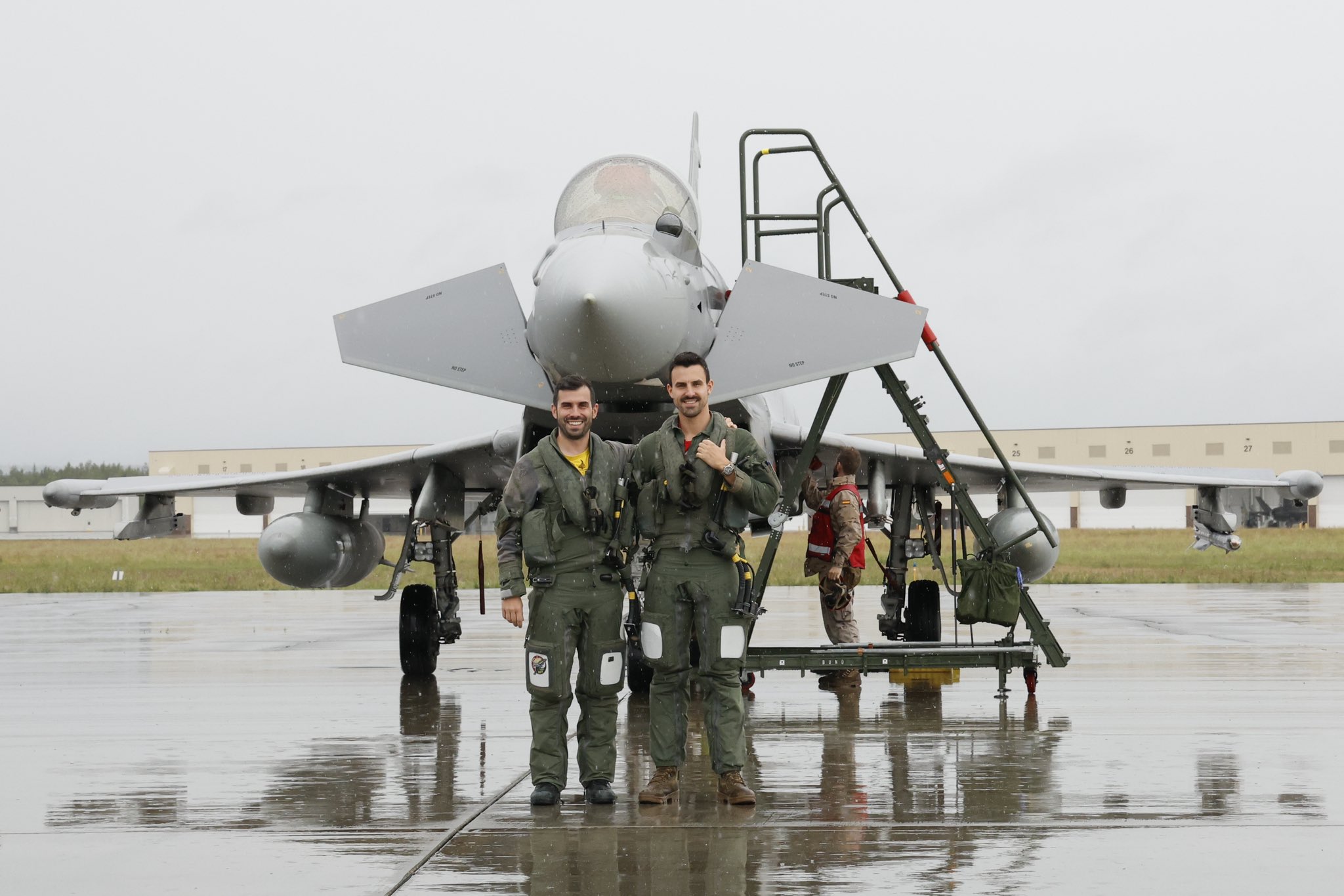
Eurofighter EFA EF-2000 Typhoon"El día 11, en Alaska, se realizó la misión donde el capitán Bruno Herrero del Ala 14 ejerció como Mission Commander": https://x.com/EjercitoAire/status/1811886256948936877
En la misma participaron un total de 50 aviones dentro del bando Blue entre F22, F35, F18, Rafale y Eurofighter. Además se contó con el apoyo de helicópteros y aviones de reabastecimiento A400 y A330.
En el lado opositor se encontraba una numerosa flota de aviones de cuarta y quinta generación que contaba con un fuerte sistema de baterías antiaéreas para establecer un sistema A2/AD (Anti Access Area Denial) que impidiese la operación del bando Blue.
Este tipo de misiones constituyen una gran oportunidad de adiestramiento para los pilotos del Ejército del Aire y del Espacio capacitándoles para operar en los escenarios más desafiantes.
-
A400MNueva misión del Tk.23-02 en la India: https://x.com/Web_AME/status/1823259543603679379
-
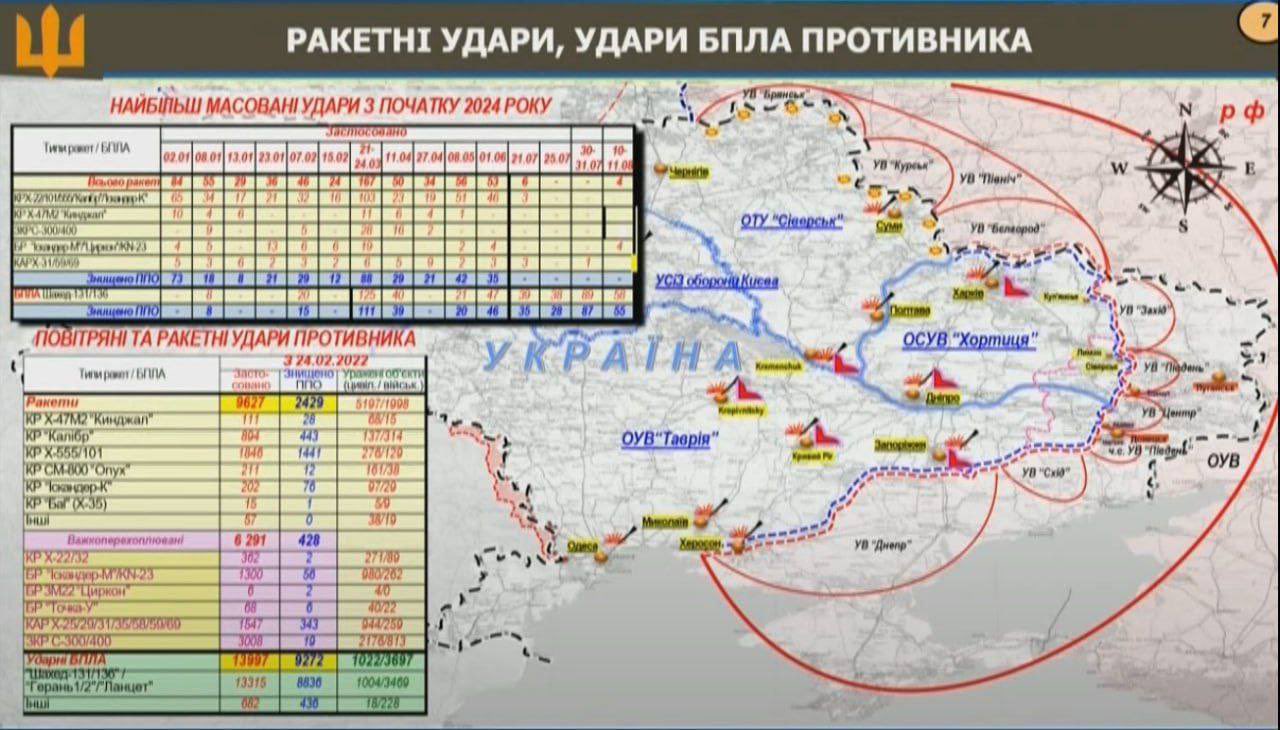
Sistemas antiaéreos - SAMEficiencia de la capacidad antiaérea ucraniana según Clash Report: https://x.com/clashreport/status/1825933694479090049
Statistics: Report of the General Staff of Ukraine on the effectiveness of air defense.
— Total missiles launched by the Russian Air Force/Armed Forces: 9,627
Total missiles shot down: 2,857
Efficiency 29.68%
— Total UAVs launched by the Russian Air Force: 13,997
Total UAVs shot down: 9,272
Efficiency 66.24%
— Missile kill efficiency:
Kinzhal: 25.23%
Kalibr: 49.55%
Kh-101/555: 78.06%
Onyx: 5.69%
Iskander-K: 37.62%
Kh-35: 6.67%
Kh-22: 0.55%
Iskander-M, KN-23: 4.31%
Zircon: 33.33%
Tochka-U: 8.82%
Kh-25/29/31/35/58/59/69: 22.17%
S-300/400: 0.63%
-
Armada Española@frapu , parece ser que los €14.600 son por pack: https://tirotactico.net/2024/08/19/43398/
No se trata de un lote de 40 fusiles MCX Rattler, sino de 40 lotes que comprenden fusiles MCX Rattler en varias versiones y diferentes accesorios ─independientemente que en el correspondiente expediente de contratación 2024/AR40U/00000844E se haga referencia, literalmente, al «suministro de cuarenta (40) subfusiles MCX SIG SAUER con sus accesorios».
Efectivamente el precio unitario de cada «lote», no de cada fusil MCX Rattler, asciende a 14.635€ (12.095€ sin impuestos), teniendo en cuenta que en el expediente de contratación el presupuesto base de licitación es de 585.414,85€ (483.813,93€ sin impuestos).
Aunque no consta en el expediente de contratación, cabe esperar que al igual que los 20 lotes anteriores, cada lote esté formado por una «plataforma» MCX en calibre .300BLK, otra «plataforma» en calibre 5,56mm OTAN, un silenciador para cada una de estas versiones, varios guardamanos para usar el arma con o sin silenciador, un visor de punto rojo Romeo 4T y un magnificador Juliet 4X (elementos que analizamos en marzo), varias culatas distintas, tanto plegables como telescópicas y minimalistas, cargadores de alta capacidad, kit de armero, correa portafusil, y seguro que alguna otra cosa. Ahora que los cuñados expertos en importación y venta de armas hagan sus cálculos de precios de mercado.
-
Eurofighter EFA EF-2000 TyphoonBloque de noticias correspondientes a la segunda quincena de octubre y la primera semana de noviembre.
- "¡Prueba superada! Finaliza el Ejercicio Ocean Sky 2025": https://ejercitodelaireydelespacio.defensa.gob.es/EA/ejercitodelaire/es/Actualidad/Noticias/Noticia/a3669231-b883-11f0-b93b-005056a2cb59/?resourceId=a3669231-b883-11f0-b93b-005056a2cb59&path=/sites/internet.es/.content/noticiaEA/noticiaEA_01414.xml#gsc.tab=0
Ha terminado en la base aérea de Gando el ejercicio Ocean Sky 2025, liderado por el Mando Aéreo de Combate del Ejército del Aire y del Espacio, y en el que durante dos semanas, fuerzas aéreas de cuatro países aliados -Alemania, Grecia, Portugal, Estados Unidos,- junto a India, han completado el principal adiestramiento de combate europeo en el que España ha sido país anfitrión.
Con el repliegue de más de 50 aeronaves de las distintas unidades participantes a sus países de origen, y en el caso de las unidades españolas, a sus bases en la península, se termina un adiestramiento que, en palabras del teniente coronel Eladio Leal, el aviador que ha planeado el complejo ejercicio, “ha sido un éxito tanto por la calidad como por la cantidad de operaciones”, que cifra en unas 650, para añadir que el principal hito del Ocean Sky 2025 ha sido que “los países aliados han participado de manera muy activa en el planeamiento conjunto”.
Respecto a los vídeos, también es recomendable el canal de @thefightercommunity: https://www.youtube.com/@thefightercommunity
-
"«Importante revulsivo» en la base de Morón con nuevo jefe y previsión de más aviones": https://www.abc.es/sevilla/provincia/importante-revulsivo-base-moron-nuevo-jefe-prevision-20251020113704-nts.html
-
"Alerta Scramble: un A400M se activa por primera vez con dos Eurofighter españoles en el Báltico": https://www.eldebate.com/espana/defensa/20251104/alerta-scramble-a400m-activa-primera-vez-dos-eurofighter-espanoles-baltico_351450.html
-
"El Eurofighter, contra el caza ruso SU-30: «El Sukhoi es nuestro principal rival y amenaza»": https://www.eldebate.com/espana/defensa/armada/20251108/eurofighter-contra-caza-ruso-30-sukhoi-nuestro-principal-rival-amenaza_352747.html
-
Viaje de Erdogan a Doha para agilizar la compra de Eurofighter cataríes: https://www.france24.com/en/live-news/20251021-erdogan-heads-to-doha-eyeing-qatari-eurofighter-jets
-
Turquía firma la compra de 20 Eurofighter (+ 20 opciones): https://www.aljazeera.com/news/2025/10/27/turkiye-signs-deal-with-the-uk-to-buy-20-eurofighter-jets
Turkiye has reached a deal with the United Kingdom to buy 20 Eurofighter Typhoon jets for almost $11bn, as Ankara seeks to bolster its air defences while it develops its own fifth-generation KAAN fighter planes.
British Prime Minister Keir Starmer and Turkish President Recep Tayyip Erdogan met in Ankara on Monday to sign the agreement.
...
The first Typhoons ordered under Monday’s agreement are expected to arrive in Ankara in 2030, according to Starmer.- Las cifras del contrato varían mucho. Los turcos hablan de £5.400M: https://turdef.com/article/tuerkiye-confirms-5-4-billion-eurofighter-typhoon-deal
The Ministry of National Defence (Turkish MoD) announced new details regarding Türkiye’s Eurofighter Typhoon procurement, confirming that the total cost of 20 newly built aircraft is approximately £5.4 billion. The statement was made during the ministry’s weekly press briefing, which also covered current defence activities and bilateral engagements.
According to the MSB, “To meet the operational needs of the Turkish Air Force Command, a contract was signed with the United Kingdom on 27 October 2025 for the procurement of newly produced Eurofighter Typhoon aircraft, equipment, and various munitions.”
A source familiar with the matter told Reuters that the agreement also includes a comprehensive weapons package featuring MBDA-made Meteor air-to-air missiles and Brimstone missiles. In the deal, whose details have not yet been disclosed by either side, the source said: “The agreement includes a comprehensive weapons package comprising MBDA-made Meteor beyond-visual-range air-to-air missiles, advanced short-range air-to-air missiles, and Brimstone air-to-ground missiles.”
Given the UK’s lead role in the deal, TurDef estimates that further British-origin munitions can be expected to be included.
The Turkish Air Force, however, has been determined to integrate domestic munitions into the platform. Therefore, relevant export and integration approvals are likely already secured within the scope of the agreement.
- En este artículo comentan un poco de donde podrían venir esas variaciones (£8B = $10.700M). A destacar el comentario sobre el Mk0: https://turdef.com/article/turkiye-to-acquire-44-eurofighter-typhoons-in-total
According to Downing Street, the £8 billion announced by Prime Minister Starmer represents the upper limit of Turkiye’s total package cost. This sum covers not only the 20 new aircraft but also MBDA-supplied weapons, pilot training, spare parts, and integration services. Within this framework, £5.4 billion emerges as the initial contract value, while BAE Systems’ £4.6 billion share represents only its portion of the total.
...
Meanwhile, the 20 new Typhoons to be built in the United Kingdom are scheduled for delivery starting in 2030. Although the variant and radar type have not been confirmed, the late delivery timeline raises expectations that these aircraft will be Tranche 5 models equipped with the ECRS Mk2 AESA radar. Normally, Typhoons are delivered within 18–24 months, but neither Tranche 5 nor the Mk2 radar has yet entered serial production despite the fact that Germany has recently signed an agreement with Airbus.Royal Air Force of Oman originally ordered its Typhoons in 2012, before the AESA radar era. As a result, its aircraft—though classified as Tranche 3A—are equipped with the CAPTOR-M Doppler radar used in earlier Tranche 1 and 2 models, resulting in notably reduced radar performance.
Qatar’s Typhoons, also Tranche 3A, feature the early-generation ECRS Mk0 AESA radar. Compared with the widely adopted Mk1, the
 Mk0 is known for its older technology and limited cooling capacity, resulting in reduced performance.
Due to developments in avionics, the total number of new aircraft in the planned fleet has been reduced from 24 to 20. Türkiye had initially considered acquiring 40 new Typhoons, but it now appears the country will adopt a hybrid model. One squadron will comprise 20 aircraft with advanced avionics, while the other will follow NATO’s conventional operational doctrine.
In line with NATO standards, a full operational squadron is typically structured around 18 operational jets, with 4–6 used for reserve or training and 2–3 under maintenance rotation.
- Interesantes preguntas/respuestas en el Parlamento británico: https://hansard.parliament.uk/commons/2025-10-29/debates/65A33FDA-F396-48EE-BFB4-E893635CA1ED/UK-TürkiyeTyphoonExportDeal
E-Scan radar for the RAF’s Typhoons, which is led by Leonardo in Edinburgh, has been successfully developed, but no production orders have been placed. I have previously urged Ministers to accelerate procurement to boost the lethality of our existing Typhoon fleet. When will E-Scan radar be in service for the RAF? The Typhoon needs an associated electronics upgrade known as P4E—phase 4 enhancement—to fully exploit the capabilities of E-Scan radar, but I understand that no contract for that has been placed yet either. When is P4E intended to be on contract?
...
The hon. Gentleman will know that all our spending announcements will be made as part of the defence investment plan towards the end of this year. The radar he mentions is an incredible piece of technology, which is of benefit not only to the RAF, but to other Typhoon nations.
...
I had the privilege of being at BAE Systems in Warton yesterday with the Prime Minister, and it is fair to say that the workforce are utterly buzzing about this announcement. It is the first new order of aircraft since 2017, as the Minister said, and the largest order since 2007. It was hard-won against the likes of the US, the Swedes, the French and other allies, but guess what? Lancashire won. It is for 20 aircraft signs now, with an option for a further 20, worth £8 billion. Generations of my constituents in South Ribble have worked or still do work in Samlesbury and Warton, and this deal has secured thousands of jobs for at least a decade, or even more. Can I please urge the Minister to still prioritise the Typhoon and to get us more orders as quickly as he can?
...
I am pleased to hear the announcement of the order for 20 Typhoons from Turkey. Having met with representatives from the workforce at Warton in Parliament earlier in the year, I recognise that maintaining those crucial skills was balanced on a knife edge. I want to ask today about the European Common Radar System Mark 2, which is forecast to achieve an initial operating capability on our Tranche 3 Typhoon aircraft by the end of the decade. Given the Turkish Typhoon order will be Tranche 3 or 4, we can assume it will be specified with the ECRS MK2 and the wider Phase 4 Enhancement programme. Given that we are looking at the same staff, what impact will the Turkish order have on the timeline for the enhancement programme of our Typhoon fleet?- Los cataríes son prácticamente nuevos. El que más ha volado no pasa de las 200h: https://www.turkiyetoday.com/nation/eurofighter-typhoon-fighter-jets-to-be-flight-ready-by-the-first-quarter-of-2027-repo-3209344
The security sources also clarified the significance of statements made by the British Prime Minister Keir Starmer, adding, "The British Prime Minister's statement of £8 billion represents this agreement's side revenues to the British economy and the potential contribution it will provide through new contracts in the coming period."
Türkiye is also advancing procurement agreements with Qatar and Oman for additional Eurofighter aircraft, according to the security sources.
"We will acquire 12 aircraft from Qatar, and we can say the agreement is finalized. The incoming Eurofighter aircraft are considered new. They have not flown much. They have a maximum of 200 flight hours. This is essentially zero flight hours. Normal flight lifespans are between 8,000 and 10,000 hours," security sources noted.
...
"Pilot training will also be conducted. There will be approximately five to six months of training. We estimate that the aircraft will be fully combat-ready by the first quarter of 2027," security sources added.- Al parecer, los cataríes querrían mantener un escuadrón: https://x.com/T_Nblty/status/1981731001572250039
Qatar front: Qatar may want to keep one squadron of its existing 24 Eurofighter aircraft for itself. This could mean transferring the remaining 6 T3A aircrafts to Turkiye. The key issue for Qatar negotiations could be shifting the new +12 orders to Turkiye. This would allow Qatar to retain one squadron of Eurofighters for itself while handing over the other squadron to Turkiye
-
Los omaníes (quieren 10-12) son T3 P1Eb. Por aquí un buen artículo al respecto: https://www.key.aero/article/typhoon-over-oman#:~:text=at the base.-,From a total order for 12 Typhoons%2C nine were single,Typhoon syllabus
-
En este artículo vuelven a recordar que los franceses podrían bloquear la venta de Meteor: https://en.defence-ua.com/news/turkieys_eurofighter_deal_faces_major_obstacle_france_holds_key_to_meteor_missiles-16321.html
-
Por su parte, los turcos dicen que no han firmado ninguna restricción en el uso de sus Eurofighter: https://www.ekathimerini.com/politics/foreign-policy/1285994/ankara-dismisses-eurofighter-use-conditions/
-
Una vez finalizada la venta a Turquía, ya se está comenzando a promocionarlo fuerte en Portugal: https://www.aero-mag.com/airbus-and-aed-partner-on-eurofighter-proposal-for-portugal
Airbus Defence and Space and the Portuguese Cluster for Aeronautics, Space and Defence Industries (AED Cluster Portugal) have signed a Memorandum of Understanding (MoU) to identify cooperation opportunities ahead of the upcoming fighter fleet replacement in the country.
In the frame of this agreement, Airbus and AED have set the base to launch a series of studies in order to create a valuable industrial proposition to replace the current Portuguese F-16 fleet with a truly European solution, the Eurofighter programme.
-
Por lo que se ve, todo es optimismo. Además de Portugal, también se ve potencial en más unidades para Catar, Arabia Saudí, Polonia y Austria (máximo de 134 unidades): https://x.com/clashreport/status/1986832736389120492
-
Según Hensoldt, hay unos 200 ECRS Mk1 contratados: https://www.hensoldt.net/news/ecrs-mk1-adds-key-capabilities-to-eurofighter-tranche-5
-
Artículo sobre el A320 ATRA configurado para probar el ECRS Mk1 (repito noticia porque este artículo sí está en abierto). A destacar que una vez más, confirma que no estará listo para nuestros primeros Halcón: https://theaviationist.com/2025/09/23/airbus-a320-atra-ioc-eurofighter-radome-ecrs-mk1/
Airbus and the German Aerospace Center (DLR) have reached another milestone with the modified Airbus A320 Advanced Technology Research Aircraft (ATRA) recently flying in its Initial Operational Capability (IOC) configuration, after the first flight earlier this year. This will be used to validate the airframe design and support integration of the European Common Radar System (ECRS) Mk.1 on the Eurofighter Typhoon.
...
Following the IOC flights and subsequent testing phases, Airbus and DLR plan to install additional equipment aboard the A320, including a Eurofighter avionic test rig, cooling and power systems, and cockpit interfaces to simulate Typhoon conditions. This will enable end-to-end integration testing of the radar with representative avionics and pilot displays.The ECRS Mk.1 is expected to enter service by mid-decade, representing one of the most significant sensor upgrades for the Eurofighter. Together with future enhancements under the Phase 4 Enhancement (P4E) package, the radar will ensure that Europe’s primary multirole fighter remains competitive against evolving threats, while also forming the technological bridge toward sixth-generation combat aircraft programs.
-
Por su parte, el Mk2 confirma un contrato de £3.090M para su desarrollo: https://defensemirror.com/news/40465/U_K__To_Allocate__3_09B_to_Develop_New_Radar_for_Eurofighter_Typhoon
-
Confirmación de 4 derribos de drones por parte británica en los últimos 18 meses: https://x.com/GarethJennings3/status/1986372328406581759
A couple of interesting tidbits concerning @RoyalAirForce at @DefenceIQ Fighter Conference #IFC25, in that Typhoons have had four successful air-to-air engagements (ie, kills) over the Middle East in the last 18 months (no further details given), and also flying Eastern Sentry combat air patrols over Poland directly out of RAF Coningsby – 8 hour sorties!
...
Yes, will be the massed Iranian Shahed attack against Israel in April 2024. To my knowledge, three 'kills' were acknowledge from that night (per the 'Top Guns: Inside the RAF' documentary earlier this year). Unsure if fourth from that night or another time.
...
RAF. I believe Saudi Typhoons have scored hundreds of drone kills.-
Al parecer, la firma definitiva de la P4E podría producirse antes de final de año: https://ukdefencejournal.org.uk/uk-confirms-ongoing-typhoon-upgrade-assessments/
-
Las 20 unidades alemanas compradas en el último contrato integrarán, además del Arexis, el AARGM, el Taurus y la integración con drones. Por lo tanto, contarán con 15 + 20 unidades con capacidad SEAD/DEAD (del traductor): https://www.hartpunkt.de/bundesweher-bestellt-20-zusaetzliche-eurofighter-mit-neuen-faehigkeiten/
Según el Ministerio Federal de Defensa alemán (BMVg), los nuevos Eurofighters de la quinta serie estarán equipados con el sistema de autoprotección Arexis de Saab, junto con futuras capacidades de inteligencia artificial. También se prevé la incorporación de armamento adicional, incluyendo el misil guiado antirradar AARGM y el misil de crucero Taurus en los Eurofighters para la Fuerza Aérea Alemana.
Otro requisito común es una interoperabilidad mejorada y más eficaz. Según el Ministerio Federal de Defensa alemán (BMVg), esta adquisición también representa un compromiso con el proyecto europeo Eurofighter.
Entre las propuestas aprobadas por el Parlamento la semana pasada, que suman 25 millones de euros, se encuentra una destinada a optimizar el Eurofighter con el sistema de autoprotección Arexis y los misiles aire-superficie guiados correspondientes, lo que permitirá la guerra electrónica. El desarrollo de este proyecto requiere una financiación aproximada de 1.130 millones de euros. Previsto hasta 2033, el proyecto se financiará con el fondo especial de la Bundeswehr y el presupuesto ordinario de defensa.
En otras palabras, además de la adquisición de los 20 nuevos Eurofighters, también se encargó el desarrollo del sistema Arexis. Se había decidido que, a más tardar en 2023, el conjunto de sensores de Saab se integraría en 15 Eurofighters de la Fuerza Aérea Alemana, los cuales, como sucesores del Tornado ECR, asumirían el rol de supresión de las defensas aéreas enemigas (SEAD) junto con el Grupo de Reconocimiento y Defensa Aérea (AARGM). Dado que está previsto que los Tornados sean retirados del servicio a finales de la década, se presume que estos planes se mantienen. Según se informa, el desarrollo del sistema Arexis avanza según lo previsto.
Tal y como explicó ayer un experto de Airbus en rueda de prensa, prevé que los cuatro países que fabrican el Eurofighter encarguen el proyecto "Long Term Evolution (LTE)" el próximo año, al que describió como una modernización de media vida. Según él, las modificaciones de hardware asociadas al avión de combate también podrán aplicarse a lotes de producción anteriores. En concreto, esto incluye mejoras como aviónica avanzada, transmisión de datos y una nueva cabina de mando. La seguridad en vuelo también se diferenciará de la seguridad de la misión.
Según el experto de Airbus, los Eurofighters del quinto lote que se han encargado ya recibirán, según lo previsto, un nuevo software de mando y control que permitirá a la aeronave controlar vehículos aéreos no tripulados.
- La flota mundial de Eurofighter está muy cerca de cumplir el millón de horas de vuelo. La noticia viene acompañada de una maqueta con el pod Arexis: https://www.janes.com/osint-insights/defence-news/defence/ifc-2025-eurofighter-prepares-to-mark-one-million-flight-hours-as-programme-prepares-for-second-half-of-operational-life
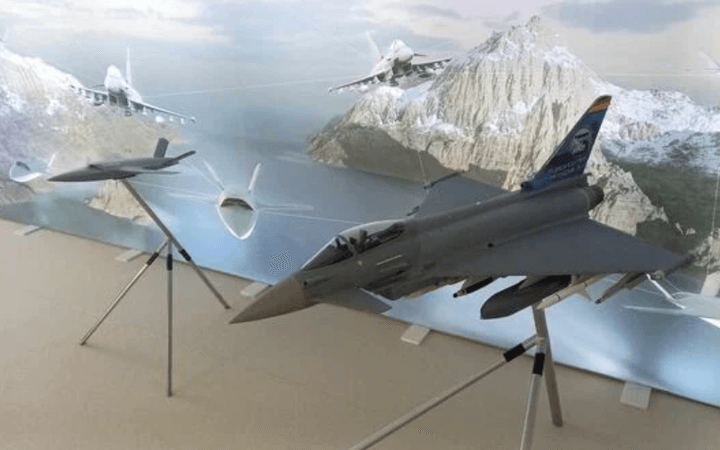
Eurofighter showcased one of the advanced capabilities earmarked for the Eurofighter under the MLU now being defined, with a model at the IQPC IFC 2025 event in Rome showing the aircraft operating in concert with a Valkyrie unmanned combat aerial vehicle. (Janes/Gareth Jennings)
The Eurofighter consortium is preparing to mark the one million flight hour milestone for the programme at the same time as preparing the ‘fourth-generation' combat aircraft for the second half of its projected operational service life.
A briefing slide presented at the IQPC International Fighter Conference (IFC) 2025 in Rome noted that the flight hour milestone is due to be passed in December, while Eurofighter CEO Jorge Tamarit Degenhardt outlined aspects of the mid-life upgrade (MLU) that is now being defined with the goal of taking the jet out into the 2060s.
- Para terminar, imagen de decoración especial de esta unidad saudí: https://x.com/CcibChris/status/1985338944020504916
-
Ejército del aire@Vorlon dijo en Ejército del aire:
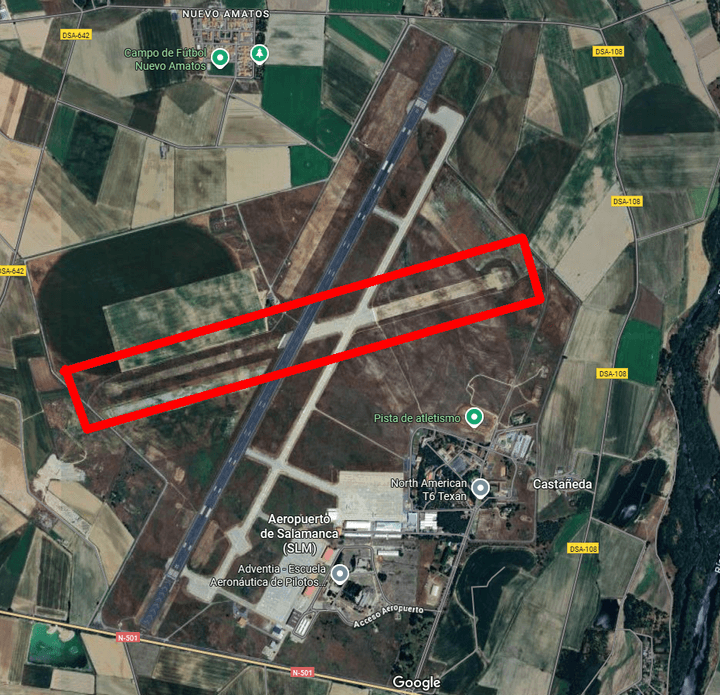
Matacán en Salamanca tiene la Escuela de trasporte aéreo y una base aérea en pleno funcionamiento.
Además de la pista asfaltada, existe una perpendicular de tierra donde practican con los transportes C235.Esa pista van a adecuarla para operar el A400M: https://contrataciondelestado.es/wps/portal/!ut/p/b0/04_Sj9CPykssy0xPLMnMz0vMAfIjU1JTC3Iy87KtUlJLEnNyUuNzMpMzSxKTgQr0w_Wj9KMyU1zLcvQjMytCLTIMcyyNwgyLMpxyXD0C3YK9HW1t9Qtycx0BBYN5PQ!!/
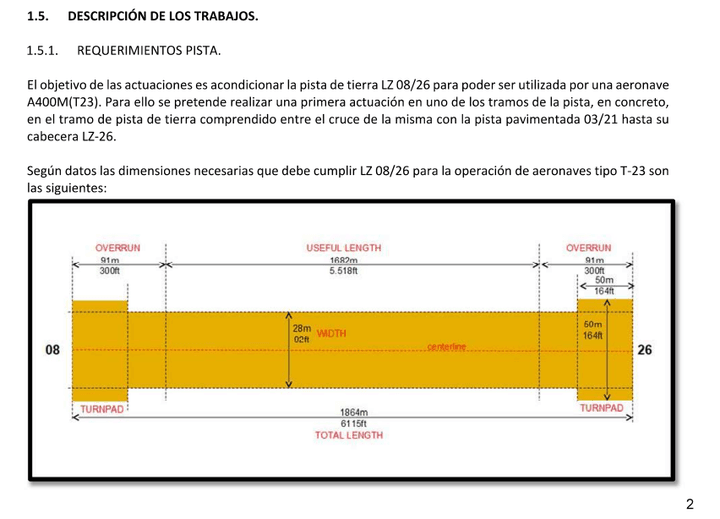
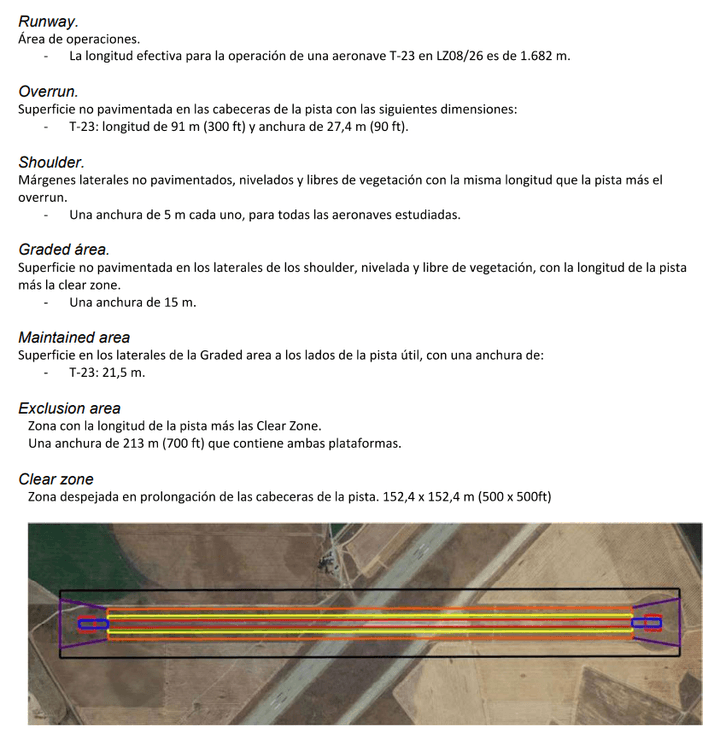
En el Google Maps:
-
FCAS (Future Combat Air System)@Gianks , el problema precisamente son los estándares. El GCAP es un proyecto con raíces británicas y ellos ya tienen su propio estándar para aviónica abierta y modular, el Pyramid. Tiene sus bases en el MOSA de EEUU y de hecho está alineado con ellos:
Adoption
- widely adopted architecture of choice for software
- international Open System Architecture (OSA) alignment
- open and competitive marketplace
- adaptable and rapid response to threats
- reduced costs and time to deployment
Como muestra, esta diapositiva de 2016, donde BAE ya salía como miembro del estándar FACE, además de Selex Galileo y Thales a un menor nivel: https://www.opengroup.org/sites/default/files/contentimages/face_master_class_presentation_final_v3.pdf

Pasa lo mismo con el estándar de sensores, el SOSA. De nuevo repiten BAE y Selex Galileo:

Como se ve, no hay rastro de Indra, Airbus o Dassault, los tres gigantes del FCAS. Es de suponer que su arquitectura no tiene nada que ver, con lo que se aseguran que todos los componentes han de pasar por su aro. Digamos que parece que EEUU y los miembros del GCAP van a una arquitectura más abierta y con mayor compatibilidad, mientras que nosotros iríamos a una más cerrada y proteccionista.
-
Eurofighter EFA EF-2000 Typhoon@Vorlon . Pero hay más:
- La ministra voló en Falcon hasta Albacete (260km por carretera).
- La ministra dijo que "Para la llegada del nuevo Eurofighter estaríamos hablando de 2028 ó 2029". La planificación original hablaba de las primeras entregas en 2026. Entiendo ¿? que se espera por el radar, el cual no llegará hasta 2028.
- El Ala 14 volverá a hacer labores de policía aérea dentro de la OTAN, sin precisar dónde.
- Las fotos de la visita: https://flickr.com/photos/mindefensa/albums/72177720327760965/with/54677970054
-
Eurofighter EFA EF-2000 TyphoonUn par de noticias que se me quedaron colgadas de marzo:
-
Primera foto de un T4 alemán (recordemos que tenían que comenzar las entregas el año pasado): https://x.com/PAFFalconsPK/status/2037558810378985596
Photo by: Dietmar Fenners -
Los británicos comienzan a producir las unidades turcas: https://www.zona-militar.com/en/2026/03/27/the-united-kingdom-has-begun-production-of-the-new-eurofighter-fighters-for-the-turkish-air-force/
-
Unidades desplegadas por RU en el exterior: https://x.com/ArmchairAdml/status/2037520382962307434
-
-
F-35 Lightning IIContrato de 141 motores para el lote 18 (22/08/2025): https://www.defense.gov/News/Contracts/Contract/Article/4283984/
Raytheon Technologies Corp., doing business as Pratt and Whitney Military Engines, East Hartford, Connecticut, is awarded a not-to-exceed $2,878,495,761 cost-plus-incentive-fee, fixed-price-incentive-fee, undefinitized contract modification (P00008) to a previously awarded contract (N0001923C0030). This modification adds scope for the production and delivery of 141 F135 propulsion systems in support of Lot 18 F-35 aircraft production for the Joint Strike Fighter program for the Air Force, Marine Corps, Navy, F-35 Cooperative Program Partners, and Foreign Military Sales (FMS) customers. Work will be performed in East Hartford, Connecticut (17.3%); Indianapolis, Indiana (10.4%); Middletown, Connecticut (8%); Kent, Washington (7%); North Berwick, Maine (4%); El Cajon, California (3%); Cromwell, Connecticut (3%); Whitehall, Michigan (3%); Portland, Oregon (2%); San Diego, California (2%); South Bend, Indiana (2%); Columbus, Georgia (1%); Hampton, Virginia (1%); Manchester, Connecticut (1%); Cheshire, Connecticut (1%); Elmwood Park, New Jersey (1%); various locations within the continental U.S. (27.3%); and various locations outside the continental U.S. (7%), and is expected to be completed in February 2028. Fiscal 2024 aircraft procurement (Navy) funding in the amount of $575,726,390; fiscal 2024 aircraft procurement (Air Force) funding in the amount of $537,304,610; fiscal 2025 aircraft procurement (Navy) funds in the amount of $79,962,704; fiscal 2025 aircraft procurement (Air Force) funding in the amount of $77,336,243; FMS customer funds in the amount of $513,763,860; and non-U.S. Department of Defense participant funds in the amount of $228,500,253, will be obligated at the time of award, none of which will expire at the end of the current fiscal year. Naval Air Systems Command, Patuxent River, Maryland, is the contracting activity.
-
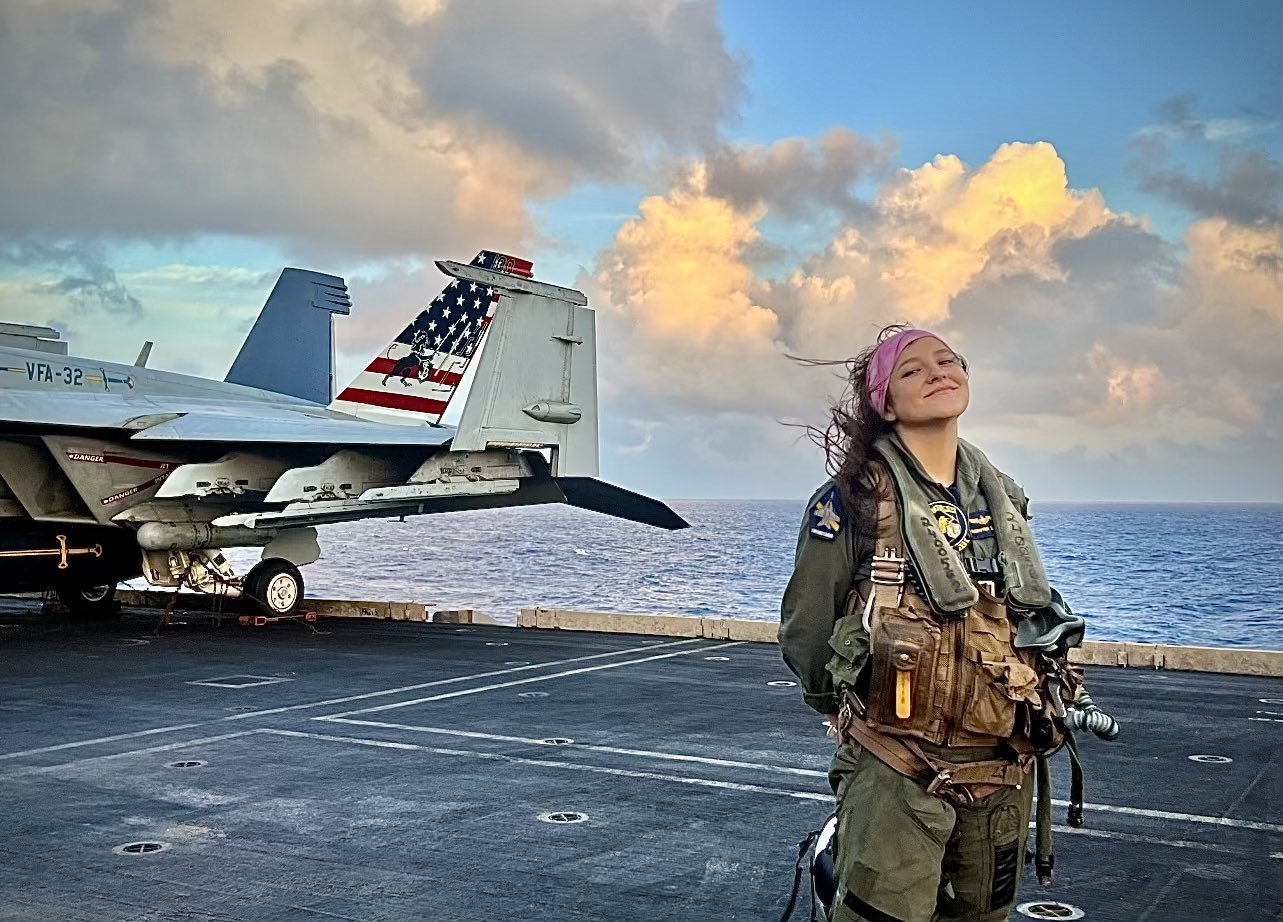
Noticias aéreas.Primera mujer estadounidense en conseguir una victoria A-A: https://x.com/ric_cole/status/1815068174993236182