
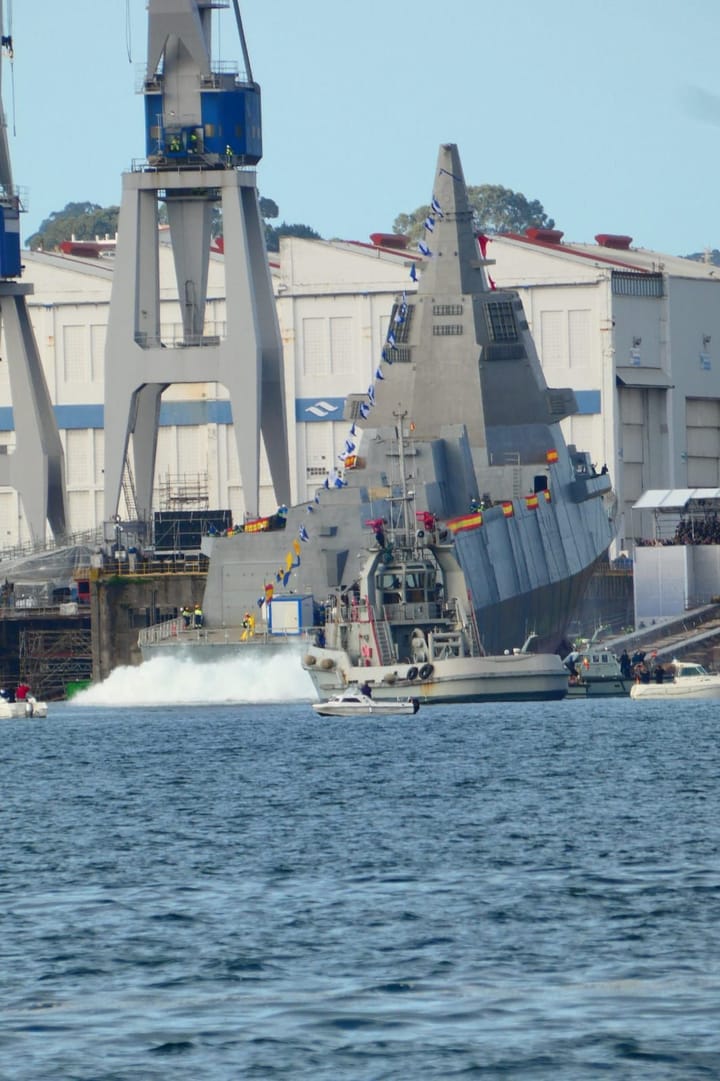
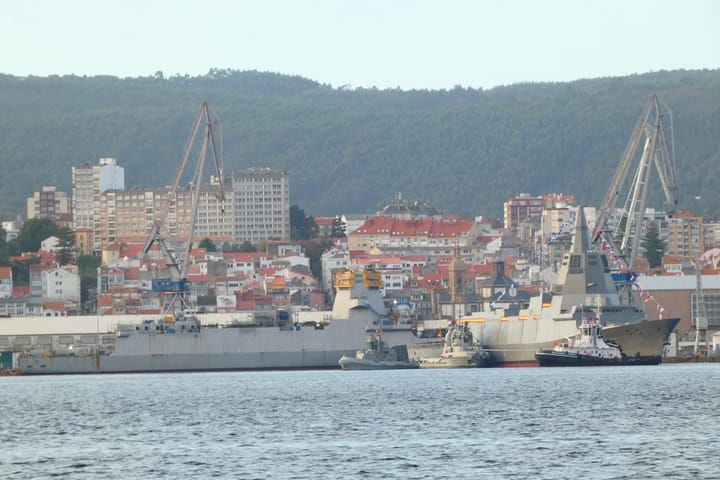
Ya la tenemos en el agua
Global Moderators
Privado
Forum wide moderators
Mensajes
-
Industria naval española -
Humor militarSin mirar el video: De forma realista, manteniendo una Armada operativa, imposible.
-
Los vecinos del sur: Marruecos y Argelia@elgranmazapan Mira, yo ya veo que odias a Marruecos por algun motivo.
Pero los paises no hacen cosas "por joder a otros", "porque le tengo mania" o "por joder a los moros". Hacen cosas por obtener ciertos objetivos y lo hacen mediante el uso de herramientas politicas.
El pueblo Saharaui no volvera a ser de España, despues de que se le abandonara, y creeme que es un alivio, porque si nos tocara ocuparnos de ellos, seria un pozo de dinero espectacular.
La unica salida es un referendum de autodeterminacion auspiciado por naciones unidas.
Y Marruecos lo tiene tan claro que terminara en eso, que lleva años desplazando a gente a la region, para que cuando se haga, tener la mayoria.Sobre enviar armas (drones ?) o pasta: Que drones, si nosotros no tenemos! Que pasta, si te miras al ET / AE / EA y se ven huecos enormes que tapar. No tiene ningun sentido.
Marruecos en estos momentos tiene una herramienta que es usar la inmigracion. Y esto sera asi hasta que en UE se den cuenta que esos inmigrantes que entran por España, y todos le rien la broma a Marruecos, terminan iendo para sus paises que son mas ricos que España. Y cuando se den cuenta de eso, sera cuando la UE amenace sanciones a Marruecos que estos no se pueden permitir.
Y todo esto es uso y gestion de politicas exteriores.
Militarmente, a Marruecos, le preocupa mas Algeria que España, sabe que si no nos toca los huevos, no se lo tocaremos, algo que no tiene claro con Algeria.
-
Los vecinos del sur: Marruecos y Argelia1.La presencia marroquí en el Sahara es mala para España.
Por que ? Que intereses tenemos ahi despues de 40 años de abandono ?
Que no debimos abandonarlos en su dia, te lo compro. Pero ahora ? A estas alturas ?2.El pueblo saharaui se debe librar de la ocupación mora.
Espera... porque el pueblo Saharaui no son moros ?
3.España debe intercambiar armas y apoyo político por una posición favorable de la RASD respecto a España.
Politico, para favorecer un referendum supervisado por naciones unidas en la region, te lo compro.
Armas ? Que armas ? Si no tenemos ni para nosotros ! MLRS ? Misiles de Crucero ? Drones ?4.Hay que asumir con gusto que vamos a sufrir represalias,con gusto digo porque eso nos daría la oportunidad de responder de manera beneficiosa para España.
Y esas represalias que sufririamos, estarian justificadas porque a cambio obtendriamos.... ?
-
US NavyFALSO,Navantia y su astillero 4.0 tiene mejor capacidad de construcción naval que EEUU.
Hmmm... no se, no se... cuantos CVN de 100.000tn ha lanzado a la mar Navantia 4.0 en la ultima decada ?
Las de Navantia SÍ tienen AEGIS,la única diferencia relevante es su cantidad de misiles.
Lo que necesita la #USNAVY son las F-110 y lo más importante el astillero para producir en su propio país.
Si, pero cuando fueron a elegir buque, las FREMM llevaban 20 años navegando y la F111 aun no habia pasado su periodo de aceptacion.
De hecho, las supuestas especificaciones de la F110 Batch 2 IAMD son lo mas parecido, en numeros y tecnologias, a eso en que la US Navy queria transformar las FREMM.
Pero la US Navy tiene el problema ahora y la F110 IAMD llegara para 2040.
-
US Navy@lepanto El problema de la US Navy no es ni de astillero ni de diseño.
Las FREMM son unos buques muy capaces y de calidad contrastada, con sus determinadas caracteristicas (desplazamiento, armamento, sistema motor, etc). Y entonces llego la USNavy y dijo quiero esto pero en 12000tn, con 64VLS, con un sistema motor distinto, con AEGIS con... para resumirlo, lo ArleighBurkizaron.
Y si diseñas una nave de cero, tiene una dificultad X, pero una que ya existe, ir haciendo "pequeños cambios" hasta convertirla en otra muy distinta... eso es 20X.
Y hasta que la USNavy no acepte que estas fragatas europeas NO son Arleighs, y no pueden ir cambiando asi como asi, ningun modelo, NINGUNO, sea FREMM, sea Type26, sea Arrow140, Mogamis o como se llamen las coreanas, ninguno les va a servir y lo querran cambiar. Y lo joderan.
Hasta que la US Navy no cambie de mentalidad, este invento de comprar fuera no va a funcionar.
-
US NavyY ahora para dar solución a los problemas de la US Navy, Babcock ofrece su diseño Arrowhead 140 para el programa estadounidense de fragatas, obviamente en asociación con un astillero estadounidense.
Según publican de The Telegraph y Navy Lookout, Babcock ha mantenido conversaciones preliminares con funcionarios del Pentágono y se espera que presente una propuesta antes de finales de octubre. -
Conflictos del Sahel. Malí - Burkina Faso - Níger - Nigeria.Ante una amenaza yihadista que no puede contener, Níger firmó un acuerdo de defensa con Argelia el 21 de octubre. Este acuerdo, cuyo contenido no se ha revelado, pronto entraría en vigor.
Cuatro días después, el Parlamento argelino autorizó el despliegue de tropas en el norte de Níger por petición de los nigerianos. Este despliegue "forma parte de la necesidad de proteger los intereses vitales del país, dado el creciente alcance de las amenazas transfronterizas, la multiplicación de conflictos en la región del Sahel, así como la propagación del terrorismo, el crimen organizado, el contrabando de armas y el narcotráfico", argumentó el gobierno argelino en un comunicado.
Según Jeune Afrique, se espera que el destacamento militar argelino se estacione en Madama, donde las fuerzas francesas de la Operación Barkhane establecieron una base de operaciones avanzada, ubicada a unos 100 kilómetros de la frontera con Libia. Por su parte, el portal de noticias Algérie 360 especifica que su misión consistirá principalmente en "proteger la infraestructura energética y no participar en combates".
-
África y sus cosas.De las que cualquier tarde compras en el hipermercado más cercano, y si están en 3x2, incluso salen más baratas. Es que no te pueden ceder nada, por ser de momento y en el mejor de los casos unos meros depositarios, hasta que el asunto se resuelva a su favor o en contra.
-
Industria naval españolaFalso el que ?, tu planteamiento extendería un conflicto a aguas ajenas, te recuerdo que el convenio de la Haya de 1907, sigue vigente y los buques de países en guerra solo pueden estar poco más de 24 horas en puerto neutral o no beligerante y con condiciones.
Dar apoyo logístico, te sumaría a un bando con consecuencias graves, o muy graves. Además las donaciones de buques a Ucrania no surgen de la invasión, son trasmisiones previstas hace tiempo y que se van cumpliendo en el tiempo pero no les sirve de nada, están bien lejos de sus aguas y volviendo a Montreux, al estar cerrados los estrechos, los barcos deben permanecer estacionados en puertos aliados. No pueden andar por ahí a su libre albedrio.
Dictado el marco legal, una realidad de falsas ventas y recompras, te iba a dejar bastante retratado, y si añades un programa de nuevas compras, a ver que economía lo mantiene, la nuestra desde luego que no, además que estas cosas necesitan una preparación de todo tipo la realidad tozuda nos lo viene diciendo y ya no se puede trabajar de hoy para mañana. Estos no son los tiempos ni las calidades de la IIWW, cuando una fragata se construía entre tres y seis meses.

Lista de Miembros
|
0
Mensajes
0
Reputación
|