"Defensa nombra al teniente general Braco nuevo jefe de Estado Mayor del Ejército del Aire y del Espacio": https://www.eldebate.com/espana/defensa/20240723/defensa-nombra-teniente-general-braco-nuevo-jefe-estado-mayor-ejercito-aire-espacio_215303.html
champi
Mensajes
-
Ejército del aire -
Saludos y presentaciones¡Bienvenido de nuevo!
-
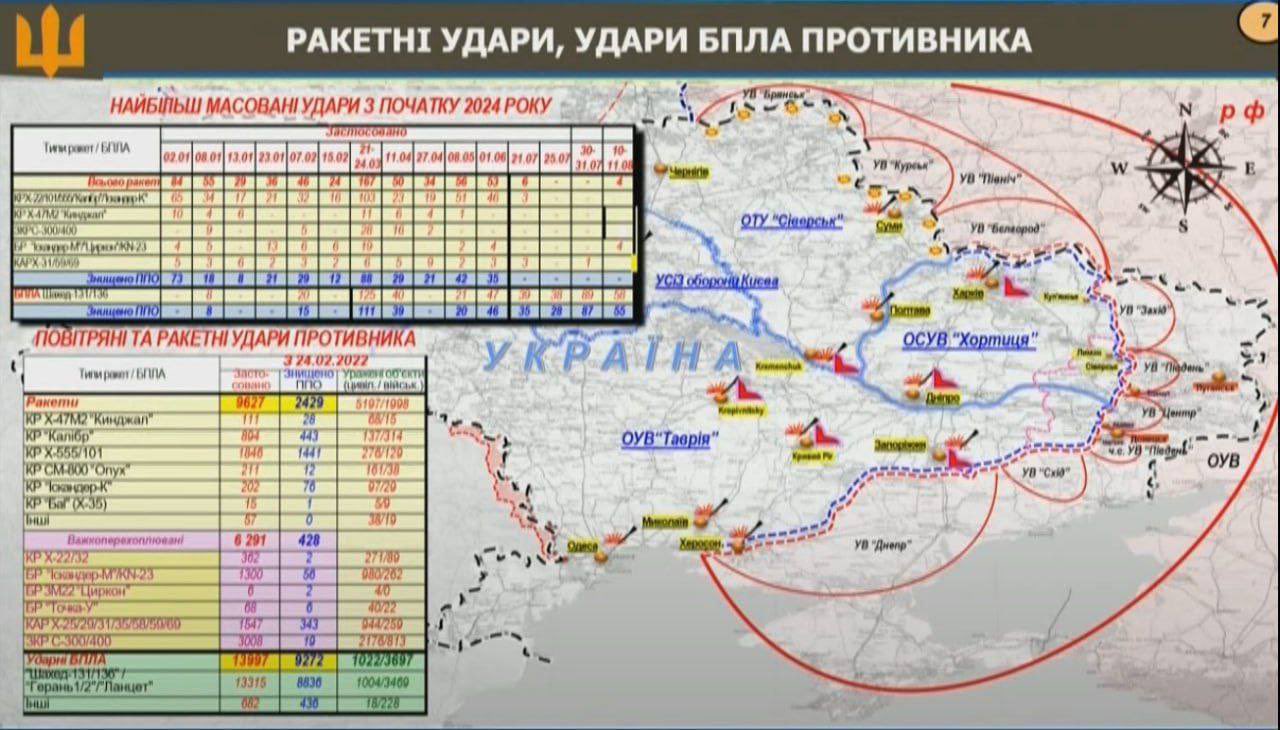
Sistemas antiaéreos - SAMEficiencia de la capacidad antiaérea ucraniana según Clash Report: https://x.com/clashreport/status/1825933694479090049
Statistics: Report of the General Staff of Ukraine on the effectiveness of air defense.
— Total missiles launched by the Russian Air Force/Armed Forces: 9,627
Total missiles shot down: 2,857
Efficiency 29.68%
— Total UAVs launched by the Russian Air Force: 13,997
Total UAVs shot down: 9,272
Efficiency 66.24%
— Missile kill efficiency:
Kinzhal: 25.23%
Kalibr: 49.55%
Kh-101/555: 78.06%
Onyx: 5.69%
Iskander-K: 37.62%
Kh-35: 6.67%
Kh-22: 0.55%
Iskander-M, KN-23: 4.31%
Zircon: 33.33%
Tochka-U: 8.82%
Kh-25/29/31/35/58/59/69: 22.17%
S-300/400: 0.63%
-
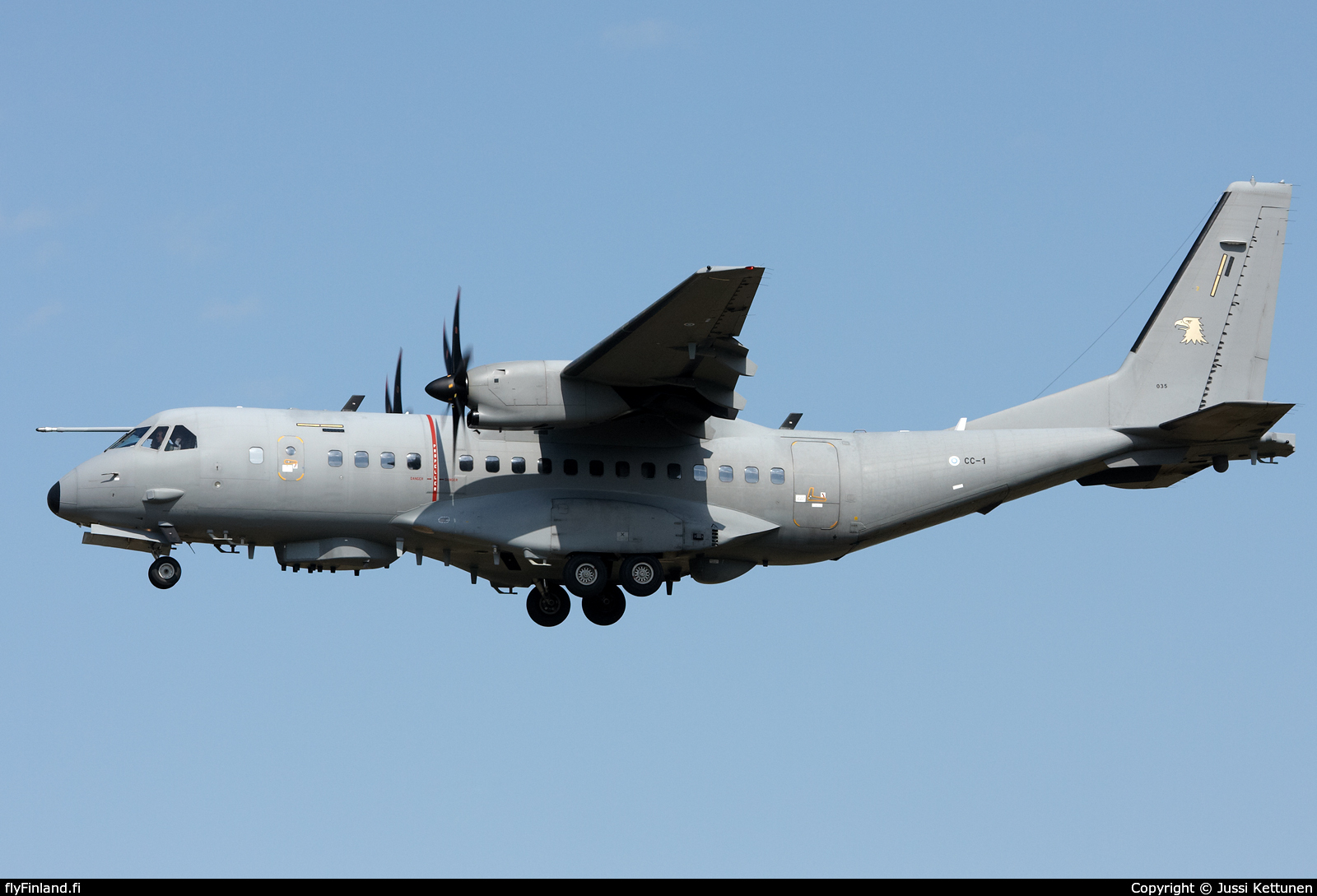
Aviación de guerra electrónica-EW.@blasdelezo En realidad se trata de equipamiento Elint/Sigint: https://www.facebook.com/Scramblemagazine/posts/on-friday-9-february-2018-the-finnish-defence-forces-dragon-shield-airborne-surv/2095022623857594/
On Friday 9 February 2018, the Finnish Defence Forces “Dragon Shield” airborne surveillance system achieved its final operational capability.
The Dragon Shield system provides larger cargo aircraft with the ability to collect electronic intelligence, communications or signals intelligence capabilities in order to enhance situational awareness for the aircrew and provide command and control nodes with better imagery intelligence.
According to Lockheed Martin, who produces this Roll-on/Roll-off integrated intelligence system, an Airbus Military C295M cargo aircraft was modified in order to integrate the Dragon Shield System.
This particular aircraft, serial CC-1 and c/n 035, was delivered to Finland on 6 March 2007 and joined the transport wing TukiLLv. This unit is nowadays based at Tampere-Pirkkala. Together with Finnish industry, Lockheed Martin heavily modified the aircraft and it was first noted with various humps and antennas in September 2013 at Tikkakoski. However, integration with all systems did not work out smoothly and it took until February 2018 before the final operational capability was achieved.
The ELINT/SIGINT unit, TukiLLv/3 Flight, soldiered on with the SIGINT modified Fokker F27-100, serial FF-1. This Fokker was delivered to the Finnish Air Force in May 1982 after a short lease that started in July 1980. The aircraft was modified to the SIGINT role somewhere in 1996 and was last noted in July 2015. Most probably the Fokker was withdrawn from use shortly after that and part of the specific role was fulfilled by the unit’s Learjet 35A.
Por aquí una foto a más resolución, donde se aprecia que no lleva la "bola" IR, que sería imprescindible para ISR: https://www.flyfinland.fi/view/12943/

-
F-35 Lightning IIPublicado el informe DOT&E 2024: https://www.dote.osd.mil/Portals/97/pub/reports/FY2024/other/2024Annual-Report.pdf?ver=WLJFmx7nkeDHIuvrtKyfGQ%3D%3D
A destacar que los TR.3 entregados todavía no son "combat capable" y de momento solo se pueden utilizar para entrenamiento. Estos pertenecen al Lote 15 (los que estuvieron recientemente almacenados, unas 41 unidades en el momento del informe) y llevan inicialmente el software de la TR.2 (30R07, denominado 40R01 en los TR.3). El caso es que esta migración parece que está dando problemas y de momento hay que capar funcionalidades para poder volar (versión 40R01.351).
Evidentemente, esto hace que la siguiente versión (30R08 en los TR.2 / 40R02 en los TR.3) vaya con más retraso todavía y esto solo son versiones de desarrollo, la operativa vendría después. Por aclarar:
· 30RXX / 40RXX: software de desarrollo y pruebas para la TR.2/TR.3
· 30PXX / 40PXX: software de producción final para la TR.2/TR.3Además, como era sabido, tampoco alcanzan los objetivos en cuanto a disponibilidad.
-
F-35 Lightning IIContrato de 141 motores para el lote 18 (22/08/2025): https://www.defense.gov/News/Contracts/Contract/Article/4283984/
Raytheon Technologies Corp., doing business as Pratt and Whitney Military Engines, East Hartford, Connecticut, is awarded a not-to-exceed $2,878,495,761 cost-plus-incentive-fee, fixed-price-incentive-fee, undefinitized contract modification (P00008) to a previously awarded contract (N0001923C0030). This modification adds scope for the production and delivery of 141 F135 propulsion systems in support of Lot 18 F-35 aircraft production for the Joint Strike Fighter program for the Air Force, Marine Corps, Navy, F-35 Cooperative Program Partners, and Foreign Military Sales (FMS) customers. Work will be performed in East Hartford, Connecticut (17.3%); Indianapolis, Indiana (10.4%); Middletown, Connecticut (8%); Kent, Washington (7%); North Berwick, Maine (4%); El Cajon, California (3%); Cromwell, Connecticut (3%); Whitehall, Michigan (3%); Portland, Oregon (2%); San Diego, California (2%); South Bend, Indiana (2%); Columbus, Georgia (1%); Hampton, Virginia (1%); Manchester, Connecticut (1%); Cheshire, Connecticut (1%); Elmwood Park, New Jersey (1%); various locations within the continental U.S. (27.3%); and various locations outside the continental U.S. (7%), and is expected to be completed in February 2028. Fiscal 2024 aircraft procurement (Navy) funding in the amount of $575,726,390; fiscal 2024 aircraft procurement (Air Force) funding in the amount of $537,304,610; fiscal 2025 aircraft procurement (Navy) funds in the amount of $79,962,704; fiscal 2025 aircraft procurement (Air Force) funding in the amount of $77,336,243; FMS customer funds in the amount of $513,763,860; and non-U.S. Department of Defense participant funds in the amount of $228,500,253, will be obligated at the time of award, none of which will expire at the end of the current fiscal year. Naval Air Systems Command, Patuxent River, Maryland, is the contracting activity.
-
Eurofighter EFA EF-2000 Typhoon@frapu dijo en Eurofighter EFA EF-2000 Typhoon:
Dame luz por favor.
Luz también la necesito yo...
En teoría, los primeros Quadriga se deberían entregar este año y los primeros Halcón el que viene. Con ellos debería venir el Mk1 dentro del estándar de producción del Eurofighter PE3c Step2. Hasta ahí la teoría y la versión oficial. Recordemos que la firma para el desarrollo del Mk1 se rubricó en 2020 y la producción de los Quadriga comenzó justo hace 3 años (9/11/2022), por lo que la primera entrega debería estar al caer: https://www.janes.com/osint-insights/defence-news/defence/germany-begins-quadriga-eurofighter-build
Estos eran los planes iniciales. El Mk0 (estándar P3Eb) aprovecha prácticamente todo del radar mecánico y se limita a cambiar la antena. En concreto, mantiene tanto el receptor de tres canales (parcialmente analógico y con procesadores PowerPC) como la unidad de procesado del radar y la mayoría del software. Es por eso que fue integrado con cambios mínimos dentro de la P3Eb a requerimiento de Kuwait y Catar. Esta antena es producida por Hensoldt.
Por su parte, el Mk1 en su planteamiento inicial debía cambiar principalmente una de las LRI, la correspondiente al nuevo receptor multicanal digital, el APSC ("Antenna Power Supply& Control", proporcionado por Leonardo) y también los módulos T/R GaN (Hensoldt), aportando un mayor ancho de banda. Se introducirá en dos fases o "Steps", aportando la primera (originalmente para 2025) las funcionalidades básicas y la segunda (originalmete para 2028) las capacidades avanzadas como la de guerra electrónica, cambiando la LRI de procesado. La autoridad de diseño es de Hensoldt pero Leonardo es quien sigue suministrando la unidad de procesado por lo menos hasta que llegue el Step 2.
Sin embargo, los problemas con el radar comenzaron ese mismo 2022, concretamente con los procesadores de la citada LRI que se quería cambiar: https://defensearchives.de/editorials/the-eurofighters-aesa-radars/
"In 2022 problems arose for the project as the German authorities failed to certify the new multi-core processors with existing certification processes, which resulted in delays and cost-overrun. In the same year the decision was made to adapt the Eurofighter for the Electronic Combat and Reconaissance (ECR) mission role, which led to additional Electronic Warfare features being required for the Mk1 radars. This resulted in a follow-up contract worth €200 million in late 2023, covering the additional expenses.
The program is structured to have a 2-phase maturation stage, with the radars initially being delivered in a ‘Step 1’ configuration, featuring the new T/R modules and the digital receiver. The software will also be brought to a new standard compared to existing Mk0 updates. The ‘Step 2’ improvement is planned to be fielded by 2028. The objective is to revamp the software and task architecture while also modernize the radar processor, doubling the amount of radar features. The upgrade will introduce new offensive Electronic Warfare capabilities and improve the performance of existing modes. After the upgrade developers and engineers will also have the possibility of remotely updating the radar’s software.
Es algo que también se recoge en los informes alemanes de armamento. En ellos también se reflejan las modificaciones del programa. Por ejemplo, este de enero de 2024 (del traductor): https://www.bmvg.de/resource/blob/5732214/3f8c7f23d3f69757aeab2de445901275/18-ruestungsbericht-data.pdf
Radar ESCAN: Para adaptar el Programa de Implementación Temprana (reajuste de la versión), se requieren modificaciones al contrato del radar ESCAN Mk1. El proyecto de ley de 25 millones de euros para la modificación de la primera parte del reajuste de la versión Mk1 se presentó al Parlamento Europeo el 20 de septiembre de 2023, y el contrato se firmó el 27 de octubre de 2023. Se prevén dos modificaciones adicionales: la prueba en banco de pruebas (primer trimestre de 2024) y la segunda parte del reajuste de la versión Mk1, prevista para el tercer trimestre de 2024. El Programa de Implementación Temprana sigue caracterizándose por la necesidad de desarrollar e implementar nuevos métodos de detección y criterios de homologación debido al uso previsto de nuevos microprocesadores multinúcleo.
Por lo tanto tenemos que inicialmente se quería que el radar Mk1 fuese una evolución simple del Mk0, adaptando el software para darle las funcionalidades de la nueva antena y cambiando una LRI. Sin embargo, este módulo daba problemas y los alemanes decidieron introducir más cambios, incluyendo nuevo software. De la página de Indra: https://www.indracompany.com/es/noticia/radar-mk1-eurofighter-mejora-significativamente-rendimiento-incorporacion-subsistemas
En abril de 2024, los clientes militares de Alemania y España decidieron introducir subsistemas avanzados para el Procesador y el APSC en el ECRS Mk1 Step 1.
“En menos de 13 meses, hemos completado la producción de los primeros radares con este nuevo hardware y ya está muy avanzada una fase de evaluación exhaustiva. El nuevo APSC y el Procesador proporcionan al Mk1 una mejora significativa en el rendimiento, tanto en el cambio ultrarrápido de modos, como en la flexibilidad de misión en tiempo real y en futuras operaciones autónomas basadas en tareas y con soporte de IA”, explica el Dr. William Gautier, director técnico de HENSOLDT. “Este nuevo hardware está integrado con un software completamente reestructurado que permite explotar al máximo la tecnología AESA multicanal. Además, gracias a su arquitectura y diseño modernos, el ECRS Mk1 es sostenible para los clientes a largo plazo.”
Respecto a la "segunda parte del reajuste de la versión Mk1, prevista para el tercer trimestre de 2024", se ha firmado en febrero de este año... y ahí han saltado las alarmas: https://www.microwavejournal.com/articles/43406-hensoldt-receives-350-m-contract-extension-for-the-eurofighter-radar#:~:text=The contract extension includes the,Döngi%2C head of Eurofighter radar.
The sensor solutions provider HENSOLDT has been awarded a contract extension for the Eurofighter Mk1 radar worth approximately 350 million euros.
...
The contract extension includes the delivery of test systems for the German radar test aircraft Airbus A320 D-ATRA as well as revisions to the Mk1 Step 1 radar system. The further development of the devices represents a technological leap forward in order to bring the operational capabilities of the weapon system to bear with this E-Scan radar in a future-oriented manner. The order ensures the future and expandability and thus the operational effectiveness of the Mk1 Step 1 radar and future steps.The scope of services also includes an initial development phase for ECRS Mk1 Step 2. The associated E-Scan radar capability with the task-based management of the Airbus Defence and Space Attack & Identify system will significantly reduce the workload of pilots in the Eurofighter cockpit and further increase operational effectiveness.
“The contract extension ensures the development of an air-certifiable, robust Eurofighter Mk1 radar for Germany and Spain. Our goal is to start flight testing of the revised radar at the end of 2025. :point_right: Installation of the Mk1 Step 1 on the German Quadriga Eurofighters is then scheduled to begin in the course of 2027,”:point_left: says Frank Döngi, head of Eurofighter radar.
La gran duda ahora es, si los Quadriga se empiezan a entregar en 2025 y los Halcón en 2026 pero el radar no estará listo hasta 2027, ¿qué hacemos con estos Eurofighter? Además, si los Step 1 se retrasan dos años, ¿qué pasa con los Step 2 previstos para 2028? Recordemos que los SEAD/DEAD deberían venir con esta mejora y con la P4E que para variar también va con calma, sigue sin firmar y debería entregarse también en 2028.
Lo dicho, falta mucha luz (oficial) en este asunto....
PD: traigo de nuevo unas declaraciones de Margarita Robles de julio anunciando 2-3 años de retrasos: https://www.latribunadealbacete.es/noticia/zd11c357f-dd49-49a7-a8dd4cae4d86192f/202507/margarita-robles-se-interesa-por-el-trabajo-del-ala-14
En cualquier caso, el primer Eurofighter de Tranche 4 tardará en llegar a Albacete, tal y como señalaba la ministra. "Se está trabajando en ello, Airbus está trabajando en ello, habría una primera fase del Halcón 1 y el Halcón 2. Para la llegada del nuevo Eurofighter estaríamos hablando de 2028 ó 2029, pero la gente ya se está preparando para ello y lo más importante es que este plan industrial, de seguridad y de Defensa, va a ser muy importante para la protección y la seguridad de nuestros pilotos y de nuestros aviones".
-
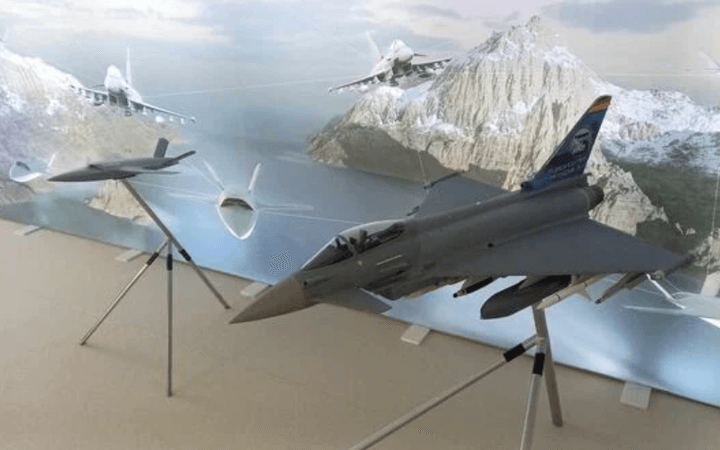
FCAS (Future Combat Air System)Airbus presentará su concepto de UAV de escolta en el ILA: https://www.airbus.com/en/newsroom/press-releases/2024-06-unmanned-escort-for-manned-fighter-jets-airbus-presents-new-wingman

-
F-35 Lightning IILos F-35 holandeses asumen la misión de ataque nuclear: https://theaviationist.com/2024/05/31/dutch-f-35-nuclear-role/
-
F-35 Lightning IIParece que el piloto implicado en el último accidente de un F-35B (New Mexico, 28/5/2024), se encuentra estable: https://www.airandspaceforces.com/air-force-pilot-f-35b-crash-kirtland/
Esta unidad accidentada era una instrumentalizada de pruebas configurada como TR2 y entregada en septiembre de 2023. Esta flota es muy escasa y con mucha demanda, por lo que la pérdida es significativa.
Contrato relacionado con los motores (29/05/2024): https://www.defense.gov/News/Contracts/Contract/Article/3790490/
NAVY"Raytheon Technologies Corp., Pratt and Whitney Military Engines, East Hartford, Connecticut, is awarded a not-to-exceed $380,604,448 modification (P00053) to a previously awarded, cost-plus-incentive-fee, fixed-price incentive (firm-target), cost-plus-fixed-fee, cost reimbursable contract (N0001921C0011). This modification adds scope and increases contract ceiling to provide for F135 propulsion system annual sustainment including program management, financial and administrative activities, propulsion integration, replenishment spare part buys, engineering support, material management, configuration management, product management support, software sustainment, security management, Joint Technical Data updates, and support equipment management. Additionally, this effort includes depot level maintenance and repair for all fielded propulsion systems at the F-35 production sites and operational locations, as well as training in support of the F-35 Lightning II aircraft for the Air Force, Marine Corps, Navy, non-U.S. Department of Defense (DOD) participants, and Foreign Military Sales (FMS) customers. Work will be performed in East Hartford, Connecticut (40%); Oklahoma City, Oklahoma (21%); Indianapolis, Indiana (12%); Windsor Locks, Connecticut (6%); West Palm Beach, Florida (6%); Brekstad, Norway (4%); Leeuwarden, Netherlands (3%); Iwakuni, Japan (3%); Williamtown, New South Wales, Australia (2%); (1%); Cameri, Italy, and Marham, United Kingdom (1%); and Fort Worth, Texas (1%), is expected to be completed in August 2024. Fiscal 2024 operations and maintenance (Air Force) funds in the amount of $91,144,011; fiscal 2024 operations and maintenance (Marine Corps) funds in the amount of $54,514,229; fiscal 2024 operations and maintenance (Navy) funds in the amount of $16,667,989; non-U.S. DOD participant funds in the amount of $49,397,375; and FMS funds in the amount of $25,311,056, will be obligated at time of award, $162,326,229, none of which will expire at the end of the current fiscal year. Naval Air Systems Command, Patuxent River, Maryland, is the contracting activity."
-
F-35 Lightning IIOtro contrato más relacionado con el motor (30/05/2024): https://www.defense.gov/News/Contracts/Contract/Article/3791872/
"Raytheon Technologies Corp., doing business at Pratt and Whitney Military Engines, East Hartford, Connecticut, is awarded a $301,762,768 modification (P00002) to a previously awarded fixed-price-incentive (firm-target), cost-plus-incentive-fee advanced acquisition contract (N0001923C0030). This modification procures Lot 19 long-lead time materials as well as the manufacture, assembly, inspection, acceptance, and delivery of 108 conventional takeoff and landing F135 propulsion systems, 27 short takeoff and vertical landing F135 propulsion systems, and 13 Carrier Variant F135 propulsion systems. Additionally, this effort provides global spares requirements to include spare engines, power modules, and other hardware supporting the Navy, Air Force, Marine Corp, non-U.S. Department of Defense (DOD) participants and Foreign Military Sales (FMS) customers. Work will be performed in East Hartford, Connecticut (17%) (labor surplus area); Indianapolis, Indiana (10%); Middletown, Connecticut (8%); Kent, Washington (7%); North Berwick, Maine (4%); El Cajon, California (3%) (labor surplus area); Cromwell, Connecticut (3%); Whitehall, Michigan (3%) Portland, Oregon (2%); San Diego, California (2%); South Bend, Indiana (2%); Columbus, Georgia (1%); Hampton, Virginia (1%); Manchester, Connecticut (1%), Cheshire, Connecticut (1%); Elmwood Park, New Jersey (1%); and various locations outside the continental U.S. (34%), and is expected to be completed in June 2027. Fiscal 2024 aircraft procurement (Air Force) funds in the amount of $45,759,000; fiscal 2024 aircraft procurement (Marine Corps) funds in the amount of $21,319,250; fiscal 2024 aircraft procurement (Navy) funds in the amount of $18,408,000; FMS customer funds in the amount of $195,364,769; and non-U.S. DOD participant funds in the amount of $20,911,749, will be obligated at the time of award, none of which will expire at the end of the current fiscal year. Naval Air Systems Command (NAVAIR), Patuxent River, Maryland, is the contracting activity." -
US NavyArtículo analizando las posibles causas de los actuales mínimos en producción naval estadounidense de los últimos 25 años: https://www.defensenews.com/news/your-navy/2024/08/11/navy-warship-production-in-worst-state-in-25-years-whats-behind-it/?utm_source=twitter&utm_medium=social&utm_campaign=tw_dfn
La falta de mano de obra en los astilleros y la dificultad para retenerla parecen ser las principales causas. A esto habría que sumar los requisitos cambiantes para los nuevos diseños, que también es causa de numerosos retrasos y sobrecostes.
-
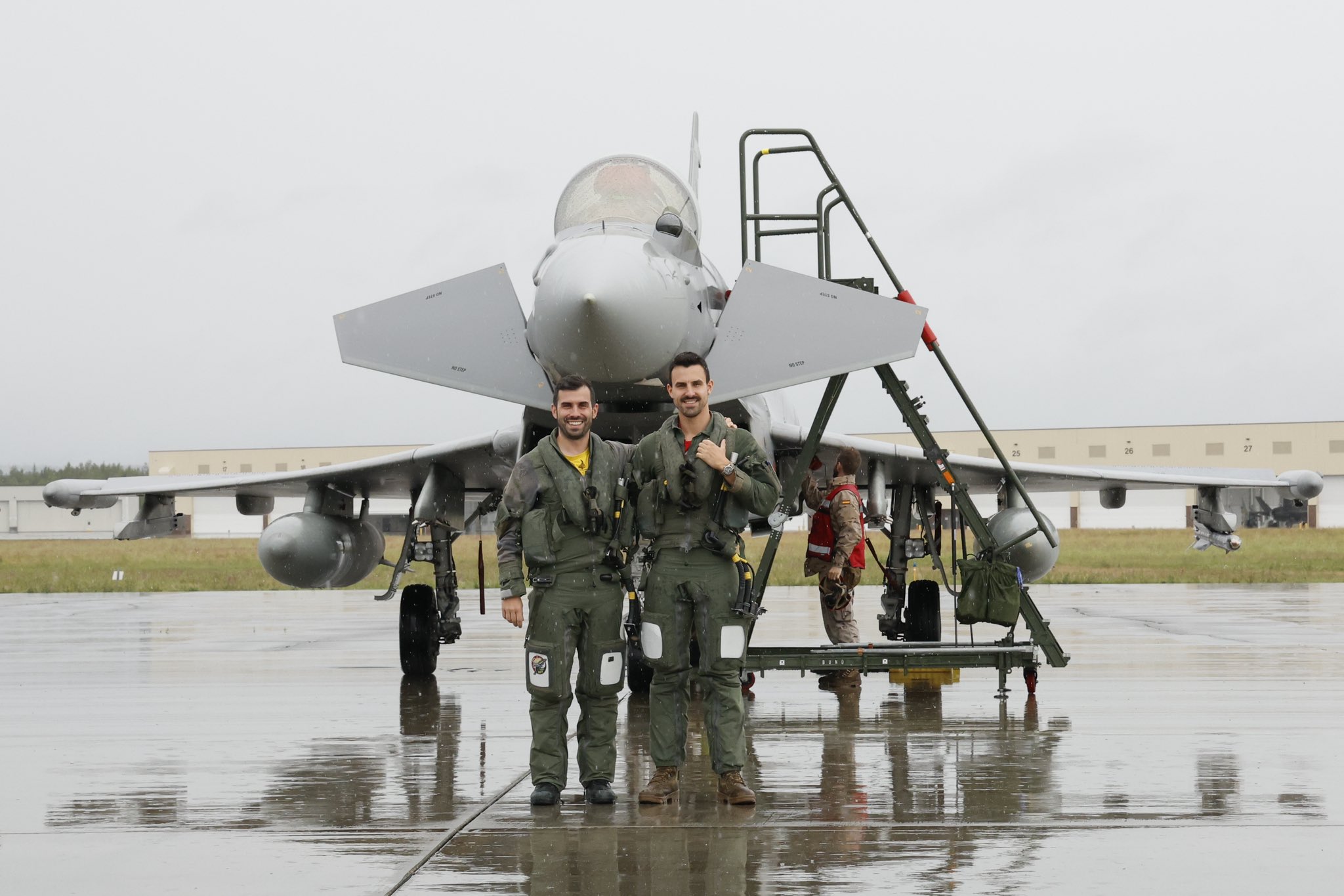
Eurofighter EFA EF-2000 Typhoon"El día 11, en Alaska, se realizó la misión donde el capitán Bruno Herrero del Ala 14 ejerció como Mission Commander": https://x.com/EjercitoAire/status/1811886256948936877
En la misma participaron un total de 50 aviones dentro del bando Blue entre F22, F35, F18, Rafale y Eurofighter. Además se contó con el apoyo de helicópteros y aviones de reabastecimiento A400 y A330.
En el lado opositor se encontraba una numerosa flota de aviones de cuarta y quinta generación que contaba con un fuerte sistema de baterías antiaéreas para establecer un sistema A2/AD (Anti Access Area Denial) que impidiese la operación del bando Blue.
Este tipo de misiones constituyen una gran oportunidad de adiestramiento para los pilotos del Ejército del Aire y del Espacio capacitándoles para operar en los escenarios más desafiantes.
-
Boeing F-47 NGAD@Vorlon , las imágenes que nos están presentando apuntan a que no lleva postquemador. Tampoco parecía el programa ADVENT, que es donde tiene las raíces este motor: https://ndia.dtic.mil/wp-content/uploads/2010/SET/Thomson.pdf

Respecto al F-47, en la revista Air Force Magazine que puso antes Vorlon estiman un radio de 1.000 millas náuticas. Como otros datos interesantes, quieren >185 unidades a un precio unitario de $300M con entrada en servicio de 2025 a 2029:
While former Air Force Secretary Frank Kendall said at AFA’s 2023 Air Warfare Symposium that 200 F-47s was the acquisition target, the graphic mentioned “185+”, revealing that the Air Force now plans the F-47 to be a virtual one-for-one replacement for the F-22, of which there are also 185. Cost is undoubtedly a factor: Estimates run as high as $300 million per copy.
Both the F-47 and the CCAs were labeled as planned to enter service between 2025 and 2029. The F-47’s maximum speed was labeled as being “Mach 2+,” less than the F-15, which was rated at Mach 2.5.

-
Ejército del aire@Vorlon dijo en Ejército del aire:
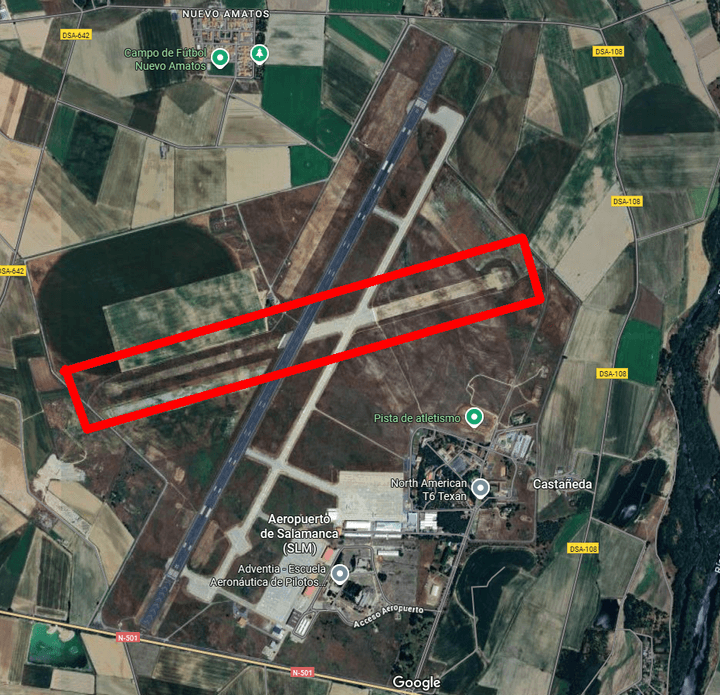
Matacán en Salamanca tiene la Escuela de trasporte aéreo y una base aérea en pleno funcionamiento.
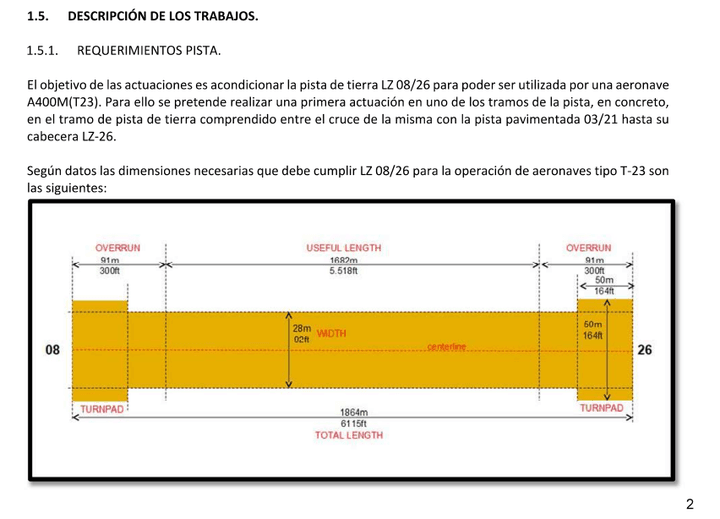
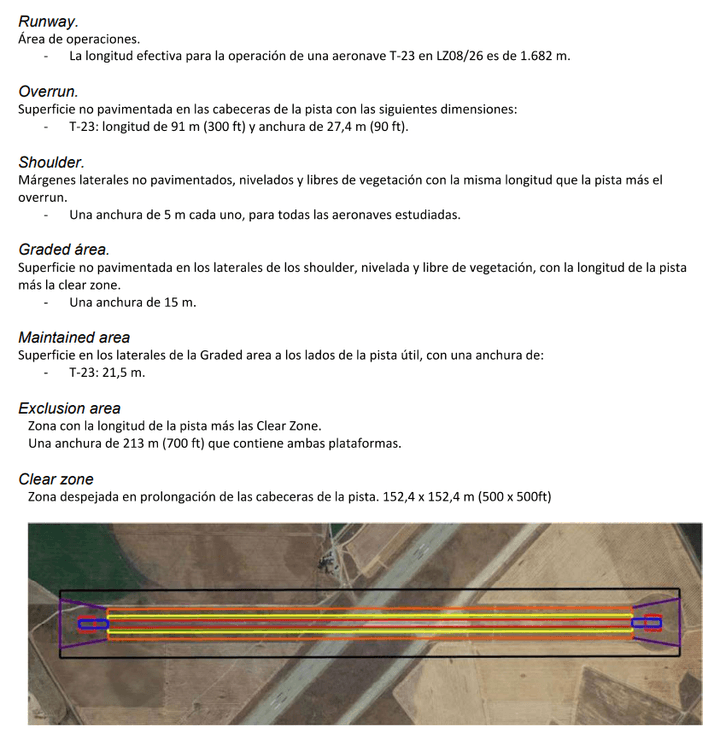
Además de la pista asfaltada, existe una perpendicular de tierra donde practican con los transportes C235.Esa pista van a adecuarla para operar el A400M: https://contrataciondelestado.es/wps/portal/!ut/p/b0/04_Sj9CPykssy0xPLMnMz0vMAfIjU1JTC3Iy87KtUlJLEnNyUuNzMpMzSxKTgQr0w_Wj9KMyU1zLcvQjMytCLTIMcyyNwgyLMpxyXD0C3YK9HW1t9Qtycx0BBYN5PQ!!/


En el Google Maps:

-
F-35 Lightning II@chema dijo en F-35 Lightning II:
Al contrario del resto de los aviones que tienen un ordenador para cada gestión, motor, vuelo, armas, sensores, etc, aunque luego se comuniquen entre si.
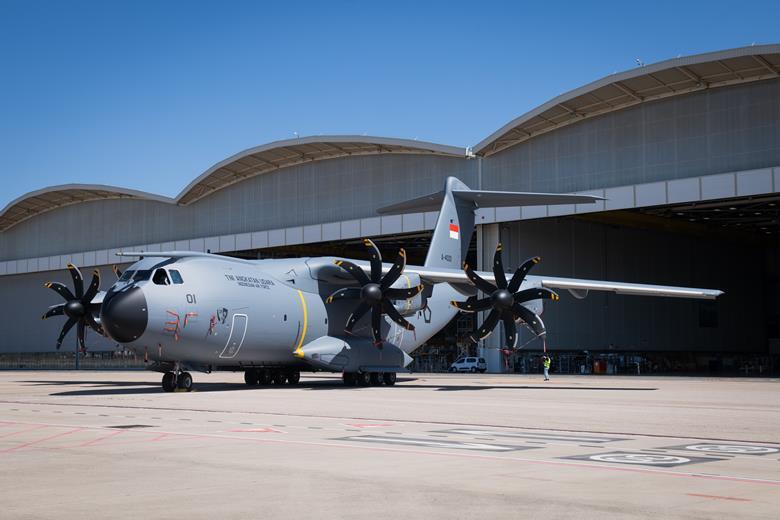
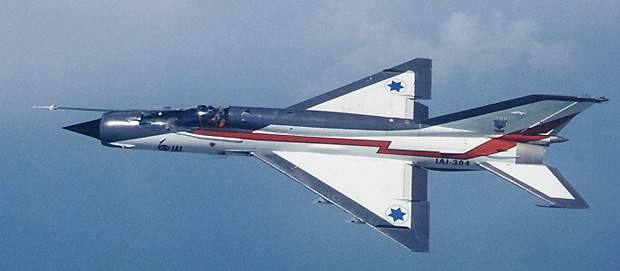
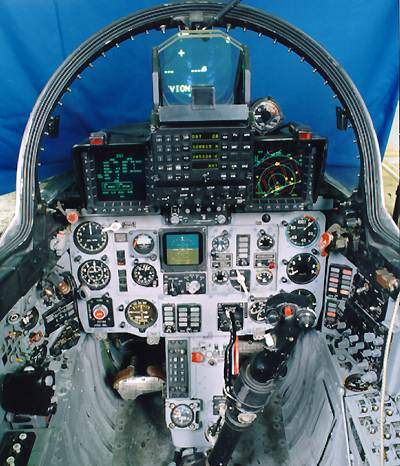
La arquitertura federada pertenece a una generación anterior ya superada. Hoy, incluso en la mayoría de los cuartas, se monta la modular e integrada (IMA). La tiene el Rafale, el M2000 indio, el Gripen E... pero también aviones como el A400M tienen este tipo y no por ello tienen más problemas.
Un ejemplo extremo de avión de segunda generación al que se le metió IMA fue el IAI MiG-21 2000: https://www.airforce-technology.com/projects/mig21/?cf-view


El gran diferenciador del F-35 es el inmenso volumen del código que monta. Simplemente por cantidad, hace que el riesgo de fallos aumente y que detectar y remediar esos problemas sea mucho más laborioso. Un remedio parcial (no existen las recetas mágicas) es MOSA, que permitiría rehusar tanto software como hardware ya desarrollado y probado en múltiples plataformas, lo que reduciría el riesgo, los tiempos de desarrollo y los costes.
-
Eurofighter EFA EF-2000 TyphoonUn par de noticias que se me quedaron colgadas de marzo:
-
Primera foto de un T4 alemán (recordemos que tenían que comenzar las entregas el año pasado): https://x.com/PAFFalconsPK/status/2037558810378985596
Photo by: Dietmar Fenners -
Los británicos comienzan a producir las unidades turcas: https://www.zona-militar.com/en/2026/03/27/the-united-kingdom-has-begun-production-of-the-new-eurofighter-fighters-for-the-turkish-air-force/
-
Unidades desplegadas por RU en el exterior: https://x.com/ArmchairAdml/status/2037520382962307434
-
-
Eurofighter EFA EF-2000 TyphoonActualización de noticias del mes de abril, primera quincena.
-
"Los Eurofighter del Ala 14 del Ejército del Aire estarán en el Gran Premio de Fórmula 1 de Madrid en septiembre": https://www.infodefensa.com/texto-diario/mostrar/5833441/eurofighter-ala-14-ejercito-aire-estaran-gran-premio-formula-1-madrid-septiembre
-
Habrá un Eurofighter en el Festival Aéreo Internacional San Javier a principios de mayo: https://x.com/EuroAirshow/status/2041855001748807955
-
BAE Systems potencia al Eurofighter Typhoon con el sistema de armas de precisión APKWS: https://www.hispaviacion.es/bae-systems-potencia-al-eurofighter-typhoon-con-el-sistema-de-armas-de-precision-apkws/

Foto: BEA Systems
BAE Systems ha realizado con éxito un disparo de prueba del APKWS en Eurofighter Typhoon, marcando un hito en la búsqueda de soluciones de armamento de bajo coste y alta precisión.
...
Se espera que la próxima fase de pruebas incluya enfrentamientos contra objetivos aéreos, consolidando el uso de este armamento en misiones de defensa aérea. El APKWS ya ha sido desplegado operativamente en plataformas como el F-16 y el A-10, así como en helicópteros, ofreciendo una alternativa de menor coste frente a los misiles guiados tradicionales.-
Otro artículo al respecto con un poco más de información: https://aerospaceglobalnews.com/news/eurofighter-typhoon-apkws-low-cost-drone-defence/

-
Y un vídeo: https://x.com/Gabriel64869839/status/2042341017328799837
-
Más sobre el derribo de drones por parte de los británicos sobre Oriente Medio: https://www.jpost.com/middle-east/iran-news/article-892150
"UK Typhoons and F-35 jets, supported by Voyager and Royal Navy Merlin and Wildcat helicopters, have continued their defensive missions over the Eastern Mediteranean, Jordan, Bahrain, and the UAE," the post read.
Four RAF pilots have achieved the "ace" status due to the mission, the ministry added in a separate statement, having "aving blasted Iranian drones out of the sky during operations in the Middle East, protecting British interests, partners, and personnel in the region."
-
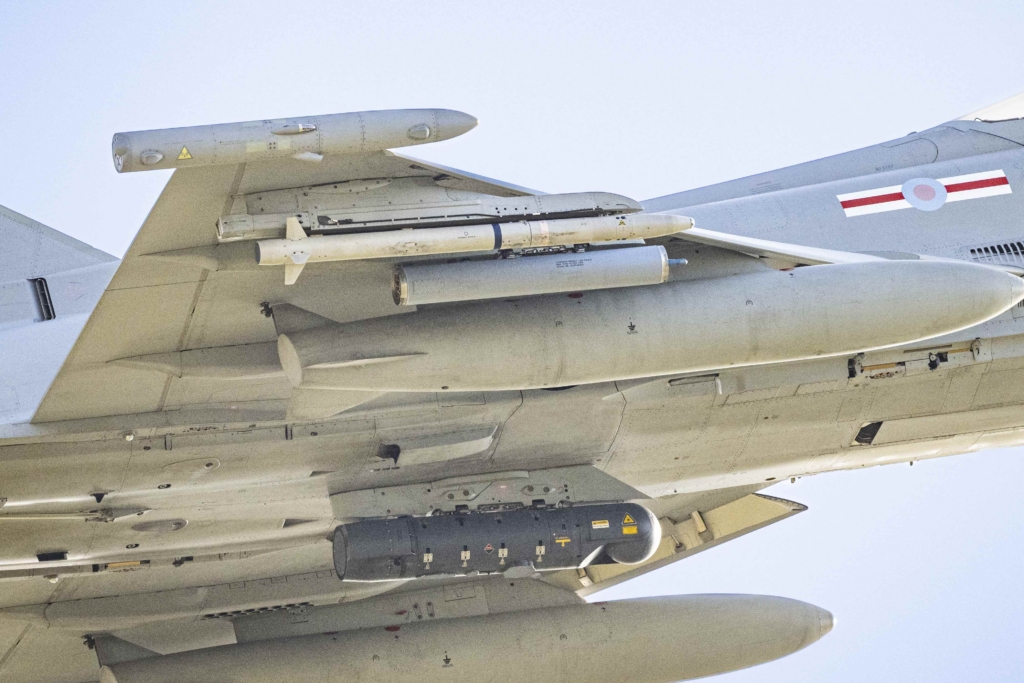
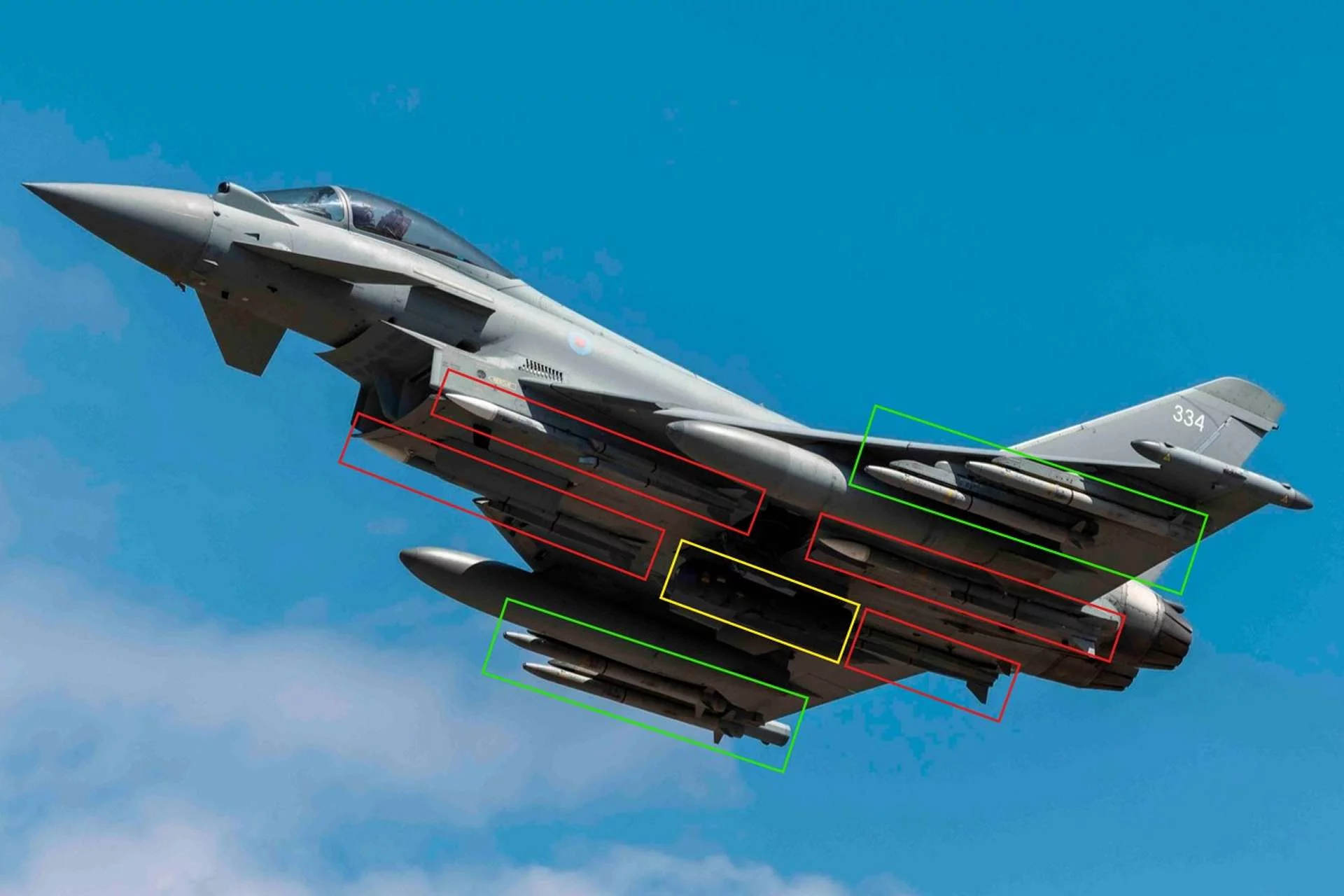
Sobre las configuraciones que se están volando en este escenario: https://www.armyrecognition.com/news/aerospace-news/2026/uk-typhoon-fgr4-fighter-jet-shows-heavy-air-defence-loadout-in-middle-east-air-operations

A newly released UK Ministry of Defence image shows an RAF Typhoon FGR4 armed with Meteor and ASRAAM missiles, highlighting Britain’s layered air combat posture in the Middle East (Picture Source: UK MoD) -
CAE entrega su generador de imágenes Prodigy para Austria, mejorando su capacidad de simulación: https://www.afm.aero/cae-prodigy-achieves-military-milestone-with-deployment-on-german-and-austrian-armed-forces-simulators
-
Tras seis meses y unas 650h de vuelo, termina el despliegue de Eurofighter alemanes en Rumanía: https://www.pressreader.com/romania/nine-o-clock-daily-9jgg/20260406/281565182315174
-
Alemania prueba el despliegue rápido de cinco Eurofighter en el aeropuerto civil de Lübeck:
- Una curiosidad sobre los EJ200 y cómo se soldan los blisk ("bladed disk" o "integrally bladed rotor"): https://x.com/Jordan_W_Taylor/status/2042866998766399553
On early engines, something called ‘fretting corrosion’, between tight-fitting parts in the EJ200 compressor, was cutting component life down to a mere 400 hours, rather than the 4,000 they’d been designed for. This occurred due to wear between the tight-fitting compressor blades and disc subject to colossal cyclic stresses, and needed to be eliminated somehow.
The solution was to change how they were made: Rolls-Royce elected to replace the conventional compressor disc (with retaining slots for the blades) with a single-piece, fully machined bladed disc, called a ‘blisk’. The rationale was simple: You can’t get wear between tight-fitting parts if there is only one part! To achieve this, Rolls-Royce needed to pursue a new and very unusual type of welding.
Simply put, it needed to use friction, -ridiculous friction!- to join the jewel-like blades to the machined disc. Think of it like rubbing your hands together to keep warm on a cold winter’s day, but taken to absurd extremes, ending with your hands becoming merged together. Uncomfortable body horror, but impressive.
Friction welds were already performed on the shafts that run up the middle of jet engines, to join multiple pieces by spinning them up and forcing them together until frictional heating, and ludicrous pressure, bonded shafts together. The advantages of this are significant: Friction welding creates minimum heat affected zones (HAZ), extremely low porosity and high quality welds with favourable microstructure that’s well-suited to highly-loaded assemblies like jet engines. It also works well with dissimilar metals, and can be done very, very quickly, with low-ish energy costs.
In linear friction welding, a specialized fixture holds a part such as a compressor blade and applies it to the workpiece with many tens of tons of compressive force, while vibrating 20-125 times a second at very low amplitudes of just a few millimetres. This rapidly generates exactly the same kind of frictional and compressive load that woks so well with rotating friction welding, and lets you weld blades onto compressor discs, which can be further machined down into finished ‘blisks’ at leisure, saving weight and adding extra life to the engine.
But it’s not straightforward. Friction welding is one of those weird hyper-specialised processes that’s thrives in strange niches, too awkward and specialised for mere mortals. The capital cost of friction welders, especially LFW machines, is nothing short of astronomical, so you only pick this as a weld method if the output justifies the expense… as it does with jet engine compressor blisks, where it nets you a juicy weight saving as well as eliminating fretting corrosion risk.
- Los blisk no se adoptaron en un principio en el HPC debido al escepticismo, por lo que los 85 primeros motores tenían un diseño más convencional. Por cierto, MTU también contribuyó al desarrollo: https://www.mtu.de/fileadmin/EN/5_Investors/7_Financial_Reports/PDFs/2019_Annual_report.pdf
In 1995, when Arthur Schäffler first unveiled the new full-blisk low-pressure compressor to the four Eurofighter customers for their EJ200 jet engine, the response was less than enthusiastic. “Heated discussions broke out immediately,” recalls the then Technical Director of the EJ200 consortium Eurojet, thinking back to that meeting in London. The representatives from Spain, Germany, Italy and the United Kingdom had some grounds for their skepticism. Although a first blisk had already been used in a helicopter engine back then, the blisks that MTU’s Schäffler was proposing had a much greater diameter than the helicopter component. “With the EJ200 blisks, we’d gone out to the very frontier of development technology,” says the engineer, who is now 81 years old. Driven there by necessity, the MTU engineers were forced to try the new technology in order to fulfill the service life requirements for the EJ200. The high rotational speeds of the rotors in the jet engine—and thus the centrifugal forces—were so great that fretting corrosion became a problem for the conventional individual blade technology. Fretting corrosion here refers to the formation of little pits on the surfaces of the blade root and rotor groove, which can lead to cracks and ultimately to loss of the blade.
“The first 85 EJ200 engines that were delivered without blisks in the high-pressure compressor in stages 1 and 2 were thus limited to 400 flight hours—whereas the design had planned for 4,000 hours,” says Christian Köhler, who joined MTU in 1990 and is today the Chief Engineer of the EJ200 program. The blisks resolved the problem and fully convinced the customers of the integrated disk-blade solution. By the start of 2019, 558 jets had already been delivered with the EJ200 engines—and more are on order. MTU’s blisk experience was then further utilized in an experimental high-pressure compressor that was developed as part of the HDV12 technology program and which fit more or less exactly into the PW6000 engine for the A318. “This allowed us to show Pratt & Whitney our technological abilities,” Köhler says. With a few modifications, the high-pressure compressor is a standard component in the PW6000 today, and for blisk technology this represented the leap into commercial business.
- Un vídeo al respecto:
-
-
Eurofighter EFA EF-2000 Typhoon@blasdelezo , el artículo es bastante malo. En primer lugar, la nomeclatura LTE ya se ha abandonado en favor de la más clásica MLU. Después cita la capacidad de guerra electrónica, pero esta se va a implantar antes con la versión especializada alemana y también con el Mk2 británico/Mk1 Step 2 germano-español. En tercer lugar habla de la capacidad MUM-T, pero eso es otro programa distinto... de nuevo anterior a la MLU y con versiones propuestas distintas, como por ejemplo la alemana sobre pod Litening. Lo de que "será capaz de comandar paquetes de fuerzas multidominio, incluyendo satélites, fragatas y fuerzas especiales, directamente desde la cabina" mejor ni lo comentamos.
-
Noticias aéreas.Primera mujer estadounidense en conseguir una victoria A-A: https://x.com/ric_cole/status/1815068174993236182