Fuerza Aérea de EEUU (USAF)
-
-
Ahora hay prisas.
En cambio, Venable ha solicitado que la Fuerza Aérea asigne 6.600 millones de dólares de RDT&E en su presupuesto de 2026 a preparación y adquisiciones, y que invierta otros 8.700 millones de dólares anuales para aumentar la compra de aviones F-35 a 72, la del F-15EX a 24 y la del B-21 a 21.
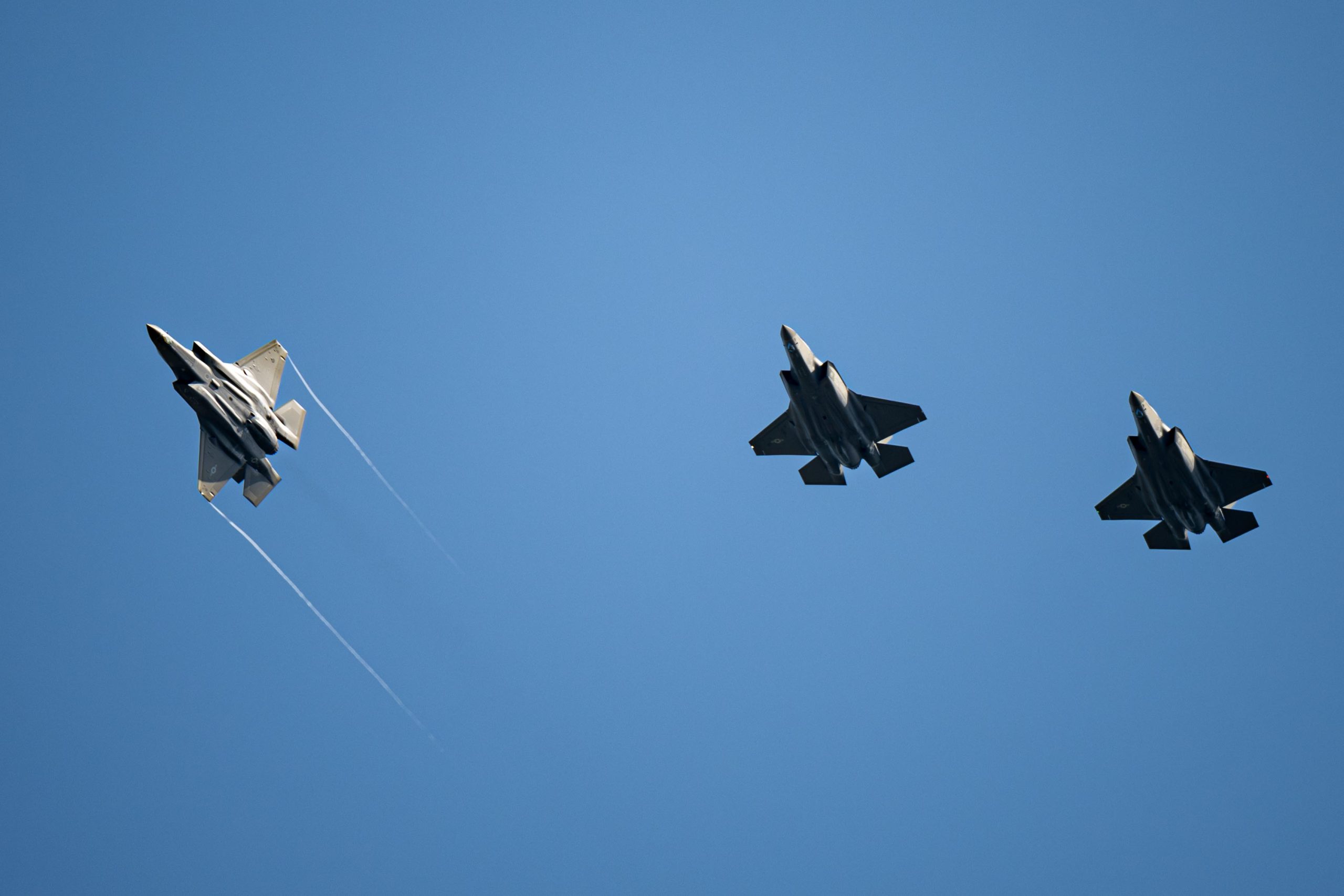
Report: Air Force Can't Afford 'Runaway' R&D, Needs More Aircraft
The Air Force and Pentagon have invested more and more of its budget in research and development without transitioning to more procurement.

Air & Space Forces Magazine (www.airandspaceforces.com)
-
Los 21 F15C/D mejor conservados volarán hasta el 2030 con la Guardia Nacional de California.
Se pensaba eliminar el modelo completamente en el 2026.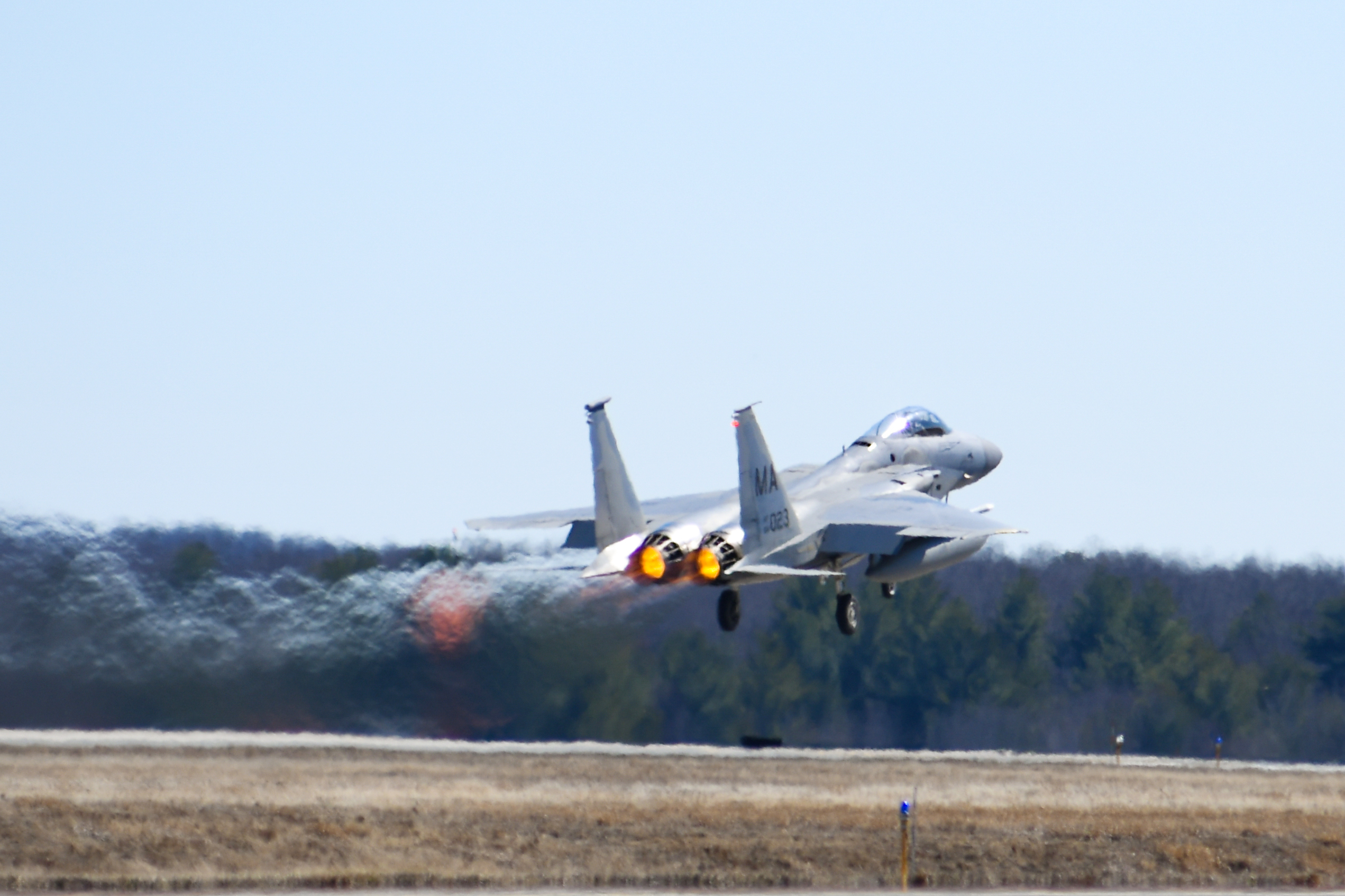
Air Force to Retain F-15C Four More Years for Homeland Defense
The Air Force will stretch the service life of the F-15C/D a few more years to perform homeland defense missions, it said in a recent report.
Air & Space Forces Magazine (www.airandspaceforces.com)
-
Falleció Dick Cheney, responsable de los mayores recortes de la USAF, con las consecuencias hoy de ancianidad en la flota.

Dick Cheney’s Legacy with the Air Force
Former Defense Secretary and Vice President Dick Cheney, who died Nov. 3, casts a long shadow in recent Air Force history.
Air & Space Forces Magazine (www.airandspaceforces.com)
-
Se ha presentado el informe que define la futura estructura de la fuerza de cazas de la USAF, numerosas desactivaciones y reducción del numero de aviones por escuadrón sobre todo en los F15E y F22...
Prácticamente se disolverá también los escuadrones de caza de la reserva.
Se retiraram los F15E de Europa sustituidos por un escuadrón de F35 , y se daran de baja en principio estos aviones con motor F100-200, mientras se concentrarán en una base los equipados con la versión F100-229...A la vez ven las orejas al lobo para financiar las compras de los nuevos y necesarios F35 y F15EX., sobre todo Boeing que tiene problemas para producir mas de 24 Eagle por Año.
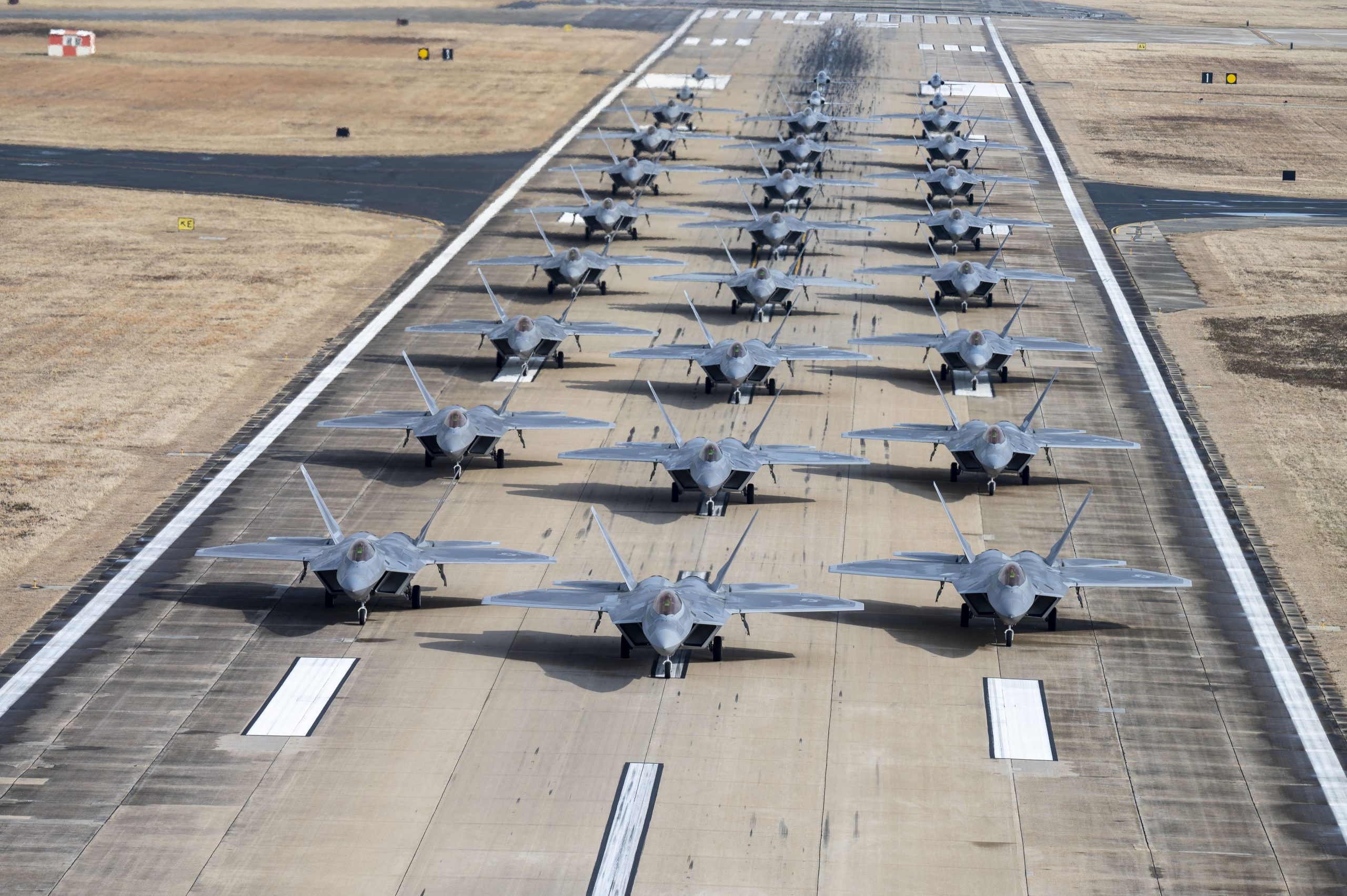
Air Force’s New Fighter Goal: More Jets, But Who's Paying?
The latest Air Force fighter fleet roadmap for Congress pitches a big increase, but analysts say it's not tied tightly enough to strategy.
Air & Space Forces Magazine (www.airandspaceforces.com)
-
La furtividad y el juego del gato y el ratón.
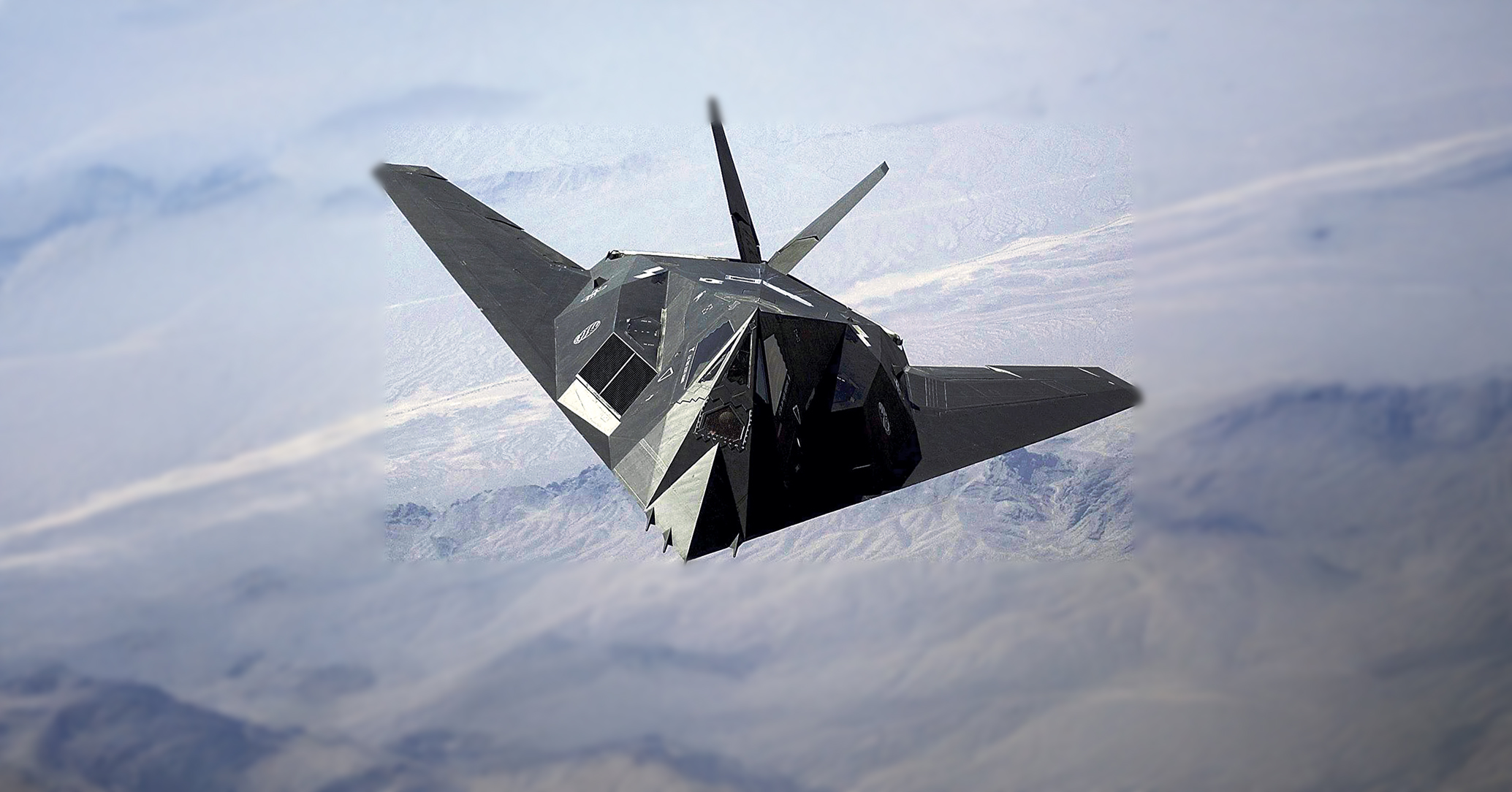
The F-117 and the Future of Stealth | Air & Space Forces Magazine
The demise of stealth has been predicted many times. But experts say stealth will remain an essential Air Force tool for decades to come.
Air & Space Forces Magazine (www.airandspaceforces.com)
-
El plan estratégico de cazas, hasta el año 2030...
Boeing debe tener un problema porque es incapaz de entregar mas de 24 aviones por año.
Además del lio con los KC46.
Reducción de F22, F15E y últimos C/D....el año que viene el fin del A10.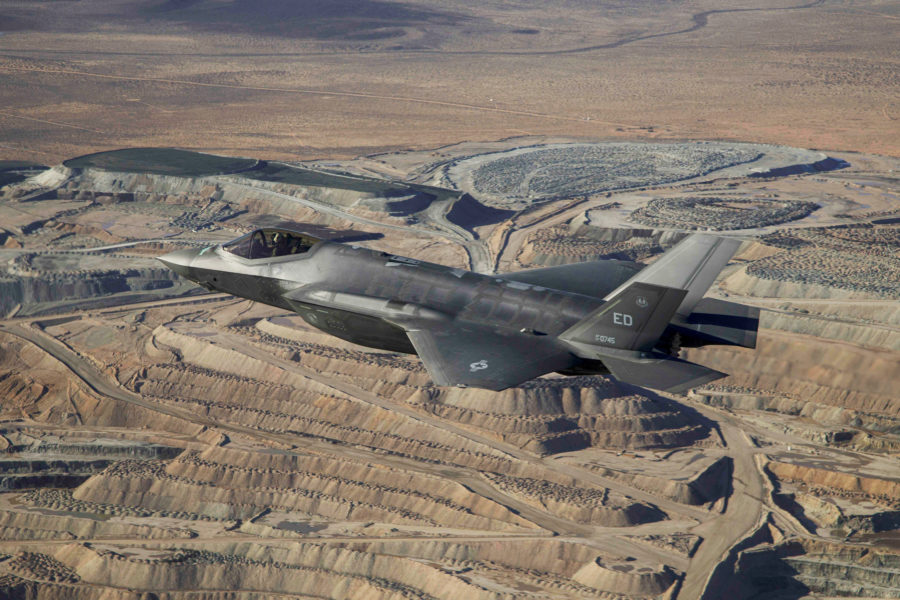
Air Force Fighter Roadmap Projects Slow Growth for F-35 Fleet
The F-35 fleet will grow slowly and the overall USAF fighter inventory will drop two more years before rebounding, a service report said.
Air & Space Forces Magazine (www.airandspaceforces.com)

-
Y los problemas de contabilidad al contar los cazas.
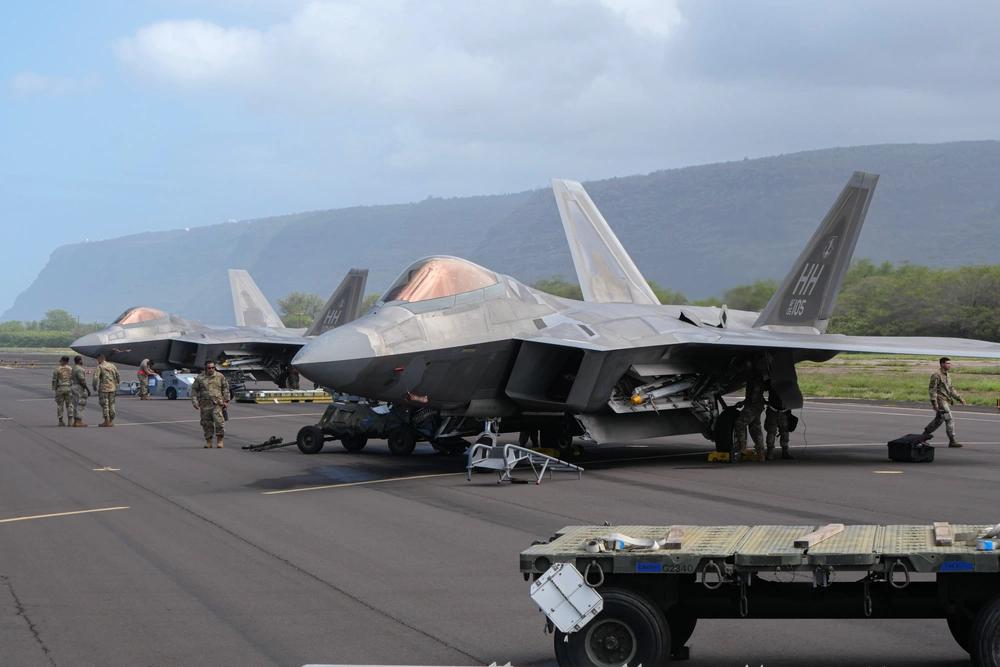
Air Force’s New Fighter Math Doesn’t Add Up for Critics
A new metric for how the Air Force counts fighters could affect how comprehensively the fleet is funded, experts said.
Air & Space Forces Magazine (www.airandspaceforces.com)
-
Como consecuencia de las operaciones distribuidas, la necesidad de operar en aerodromos austeros y limitados .
La falta de cisternas y poder usar los MC/HC/KC130 , el A10 prueba el sistema de sonda y cono.
Las ventajas de la pertiga son claras, mayor velocidad de trasvase, pero en los cazas la sonda permite el uso de muchos y mas variados cisternas.

-
Como consecuencia de las operaciones distribuidas, la necesidad de operar en aerodromos austeros y limitados .
La falta de cisternas y poder usar los MC/HC/KC130 , el A10 prueba el sistema de sonda y cono.
Las ventajas de la pertiga son claras, mayor velocidad de trasvase, pero en los cazas la sonda permite el uso de muchos y mas variados cisternas.
@Vorlon dijo en Fuerza Aérea de EEUU (USAF):
La falta de cisternas y poder usar los MC/HC/KC130 , el A10 prueba el sistema de sonda y cono.
No sólo la falta de cisternas. Cuando el A-10 va cargado, lo pasa mal para repostar a las velocidades y alturas de un cisterna a reacción: https://www.key.aero/article/part-one-10-front-line-operation-anaconda
With their first vul (vulnerability period — mission window) having ended, the two A-10 pilots headed out to the tanker track to refuel. As the surface-to-air threat was not yet fully understood in OEF, the tanker tracks in Afghanistan were all above 24,000ft. This meant that refueling a fully loaded A-10 became rather a complicated affair. At that altitude and with all the ordnance, the A-10’s TF34-GE-100A engines would be ‘parked at max’ throughout the refueling cycle. The tanker would have to fly as slowly as it could, the crew extending the jet’s flaps so as to avoid it stalling. The tanker also produced a huge bow wave that required a little bit of extra power from the receiver aircraft in order to get through it to the boom. However, already ‘maxed out’ on power, the A-10 would end up just sitting there behind the tanker, having run into the bow wave without any power spare to push through it in order to reach the probe. The only option available to the ‘Hog’ pilot at this point was to ‘toboggan’. In A-10 jargon, ‘tobogganing’ meant that the tanker would enter a shallow dive, with the ‘Hog’ chasing it. With the tanker maintaining its airspeed, the simple principle of gravity would produce the necessary energy to allow the A-10 to push through the bow wave, connect with the probe and refuel.
Una de las configuraciones en Epic Fury repostando en vuelo: https://x.com/CENTCOM/status/2033124621399036316?s=20